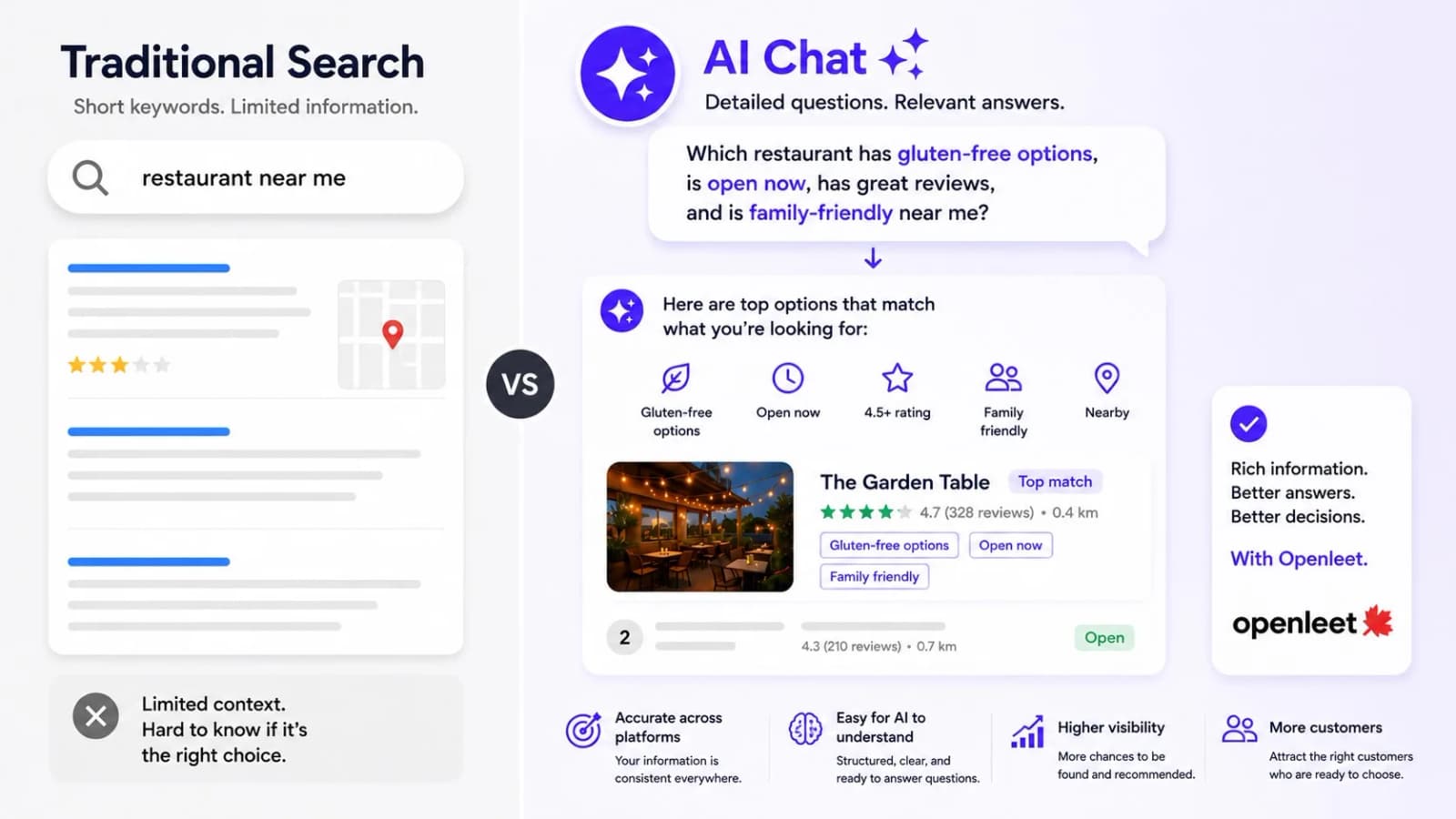
Today's Customers Don't Just Search—They Ask Questions
A few years ago, finding a business online usually meant typing a few words into Google: "restaurant near me," "daycare near me," or "accountant in Squamish."
Today, that behavior is changing. Customers are increasingly asking AI assistants detailed questions like:
Which restaurant has gluten-free options, is open now, has great reviews, and is family-friendly?
This is more than a new way to search. It is a new way people choose businesses.
AI Isn't Looking for a Website. It Is Looking for Answers.
Many businesses rely on a website, a Google Business Profile, and occasional social media posts. These are still important, but they are often not enough for today's AI-driven search behavior.
AI assistants need clear, current, and detailed information to answer customer questions confidently. If your hours are outdated, your services are vague, your menu is missing, or your information is scattered across different websites, AI may not have enough confidence to recommend your business.
The Shift Is Already Happening
Consumer behavior is moving quickly. Research from local search and consumer behavior studies shows that more people are using AI tools to find local business recommendations, compare options, and make decisions.
At the same time, search results are changing. AI answers and zero-click search results mean customers may get information about a business before they ever visit its website.
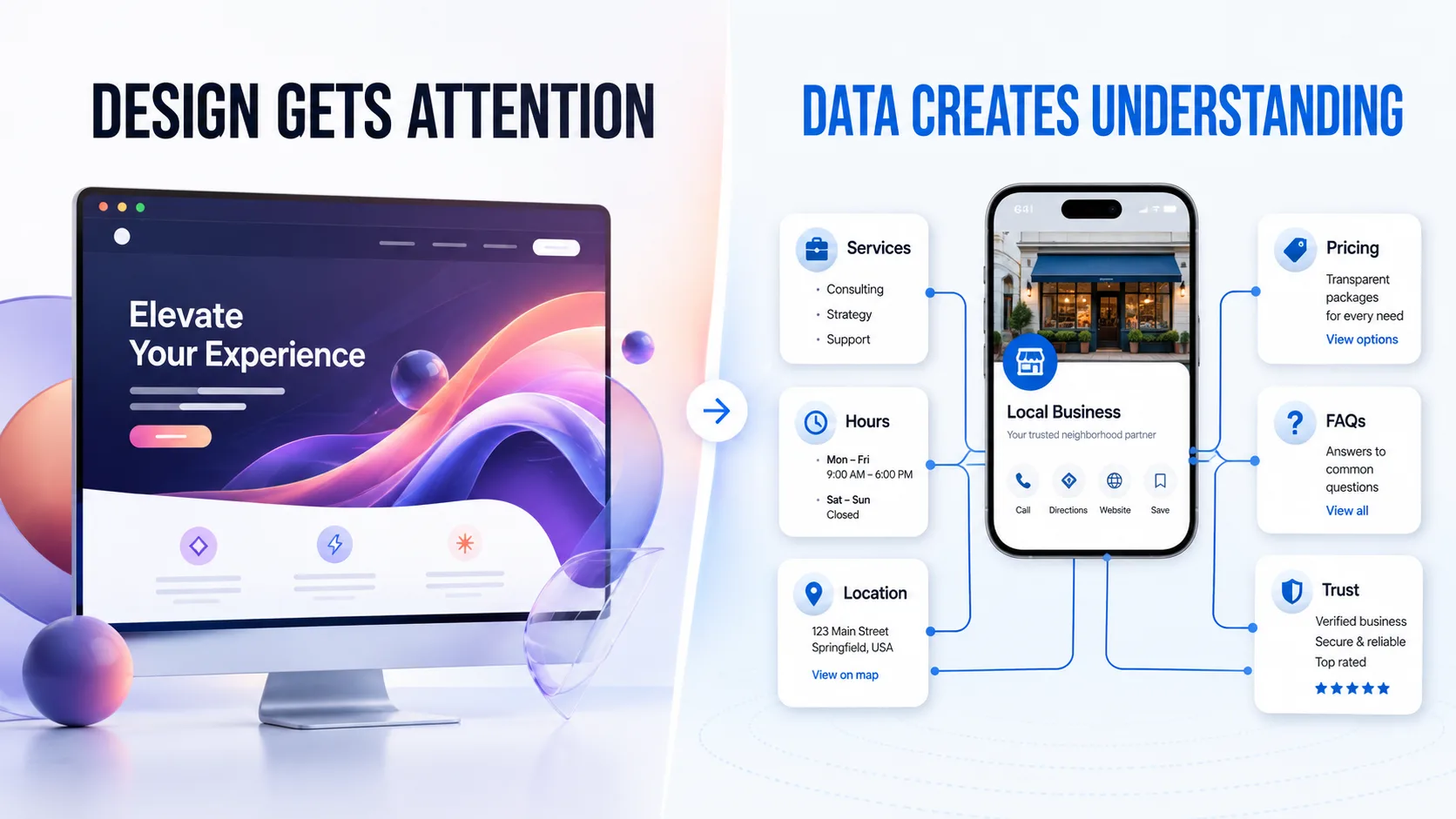
In simple terms, your business information now needs to be understandable not only to people, but also to search engines and AI assistants.
What Happens If Your Information Is Incomplete?
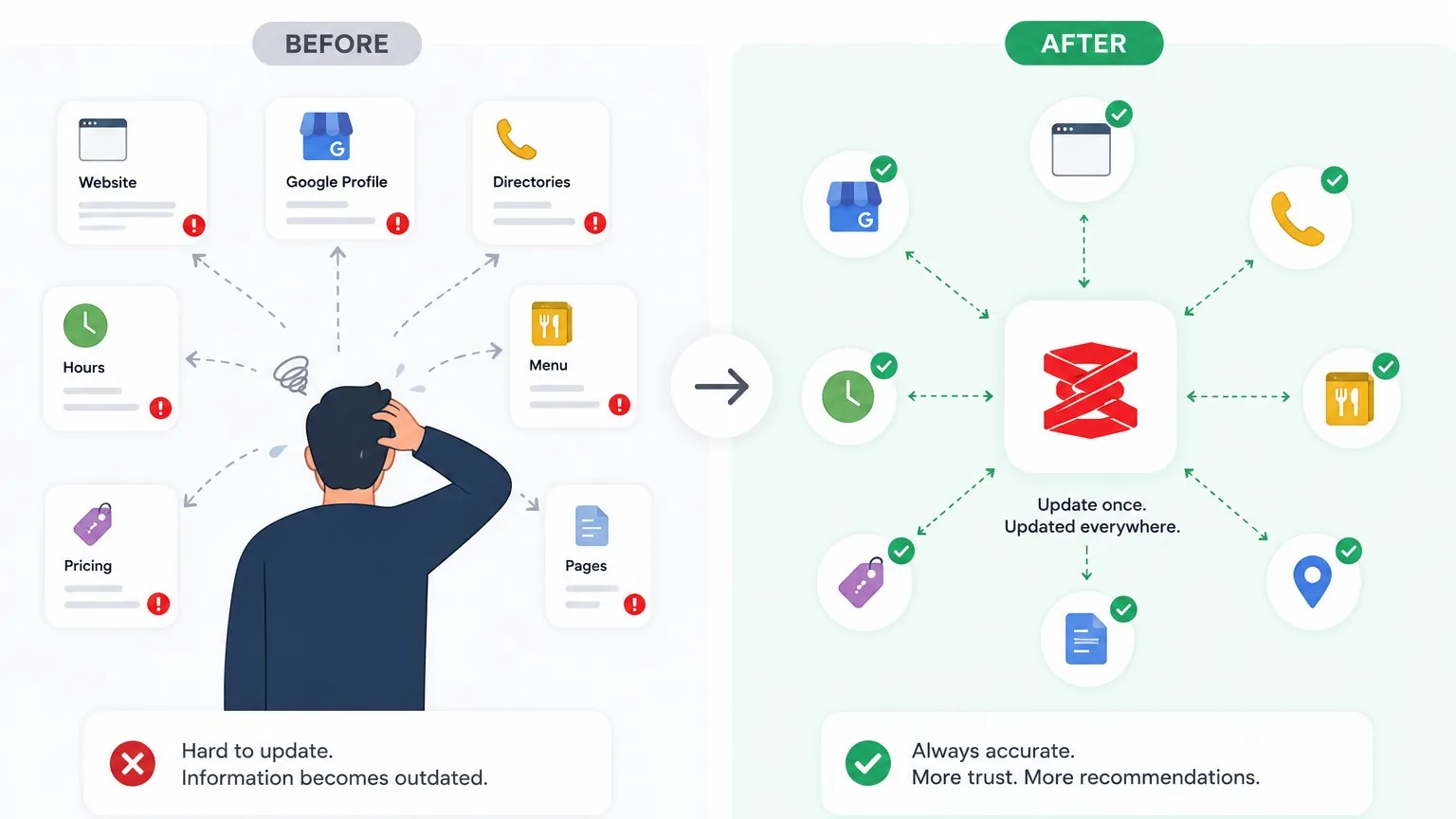
If AI finds different versions of your business online, confidence drops.
Your website says you close at 8:00 p.m.
A directory says you close at 9:00 p.m.
Your social profile has not been updated in years.
Your services are listed differently across platforms.
When this happens, AI may give a vague answer, choose another business, or leave your business out entirely—not because your business is worse, but because your information is harder to trust.
What Businesses Should Do Now
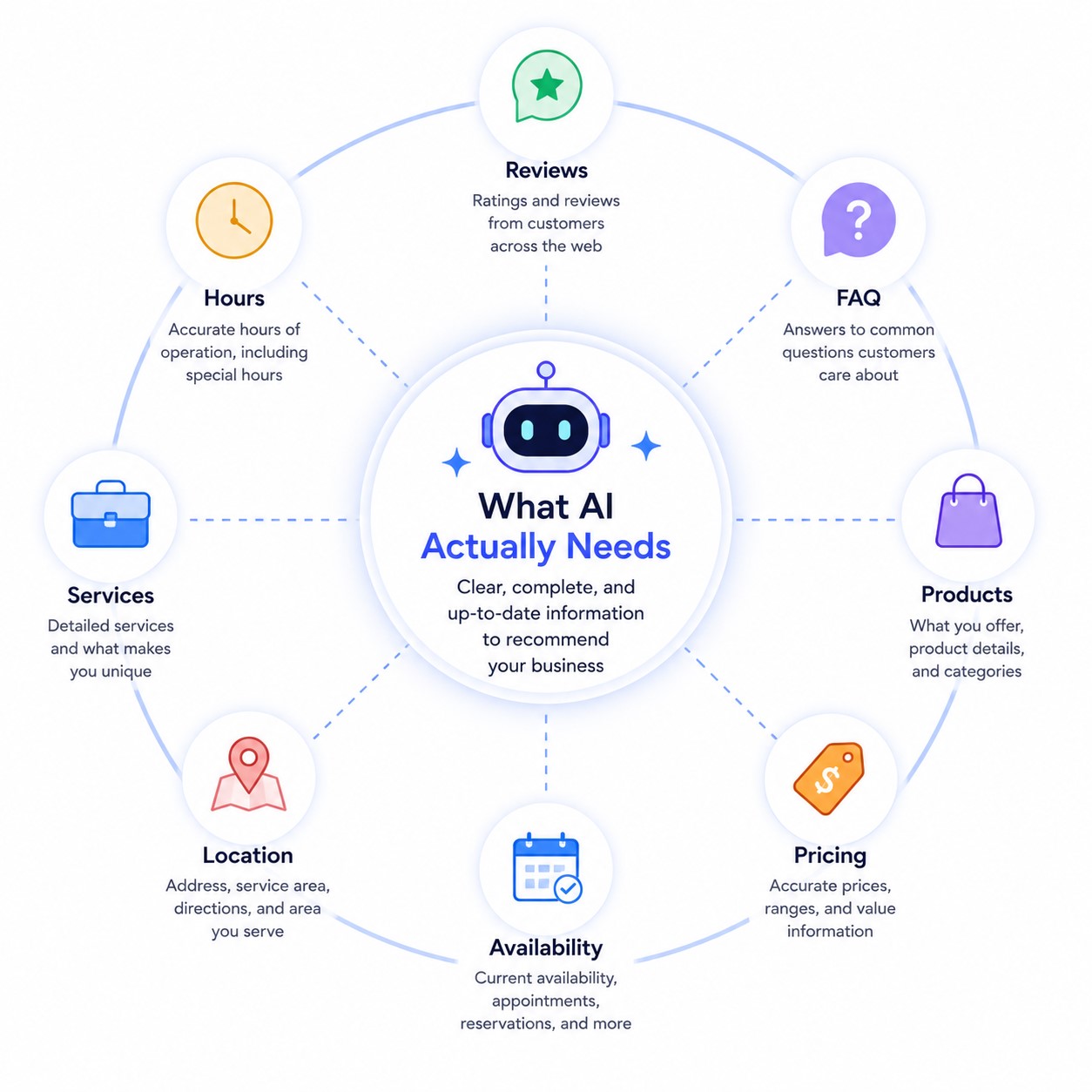
Preparing for AI search does not mean becoming a technical expert. It means keeping your business information accurate, complete, consistent, and easy to understand.
Businesses should:
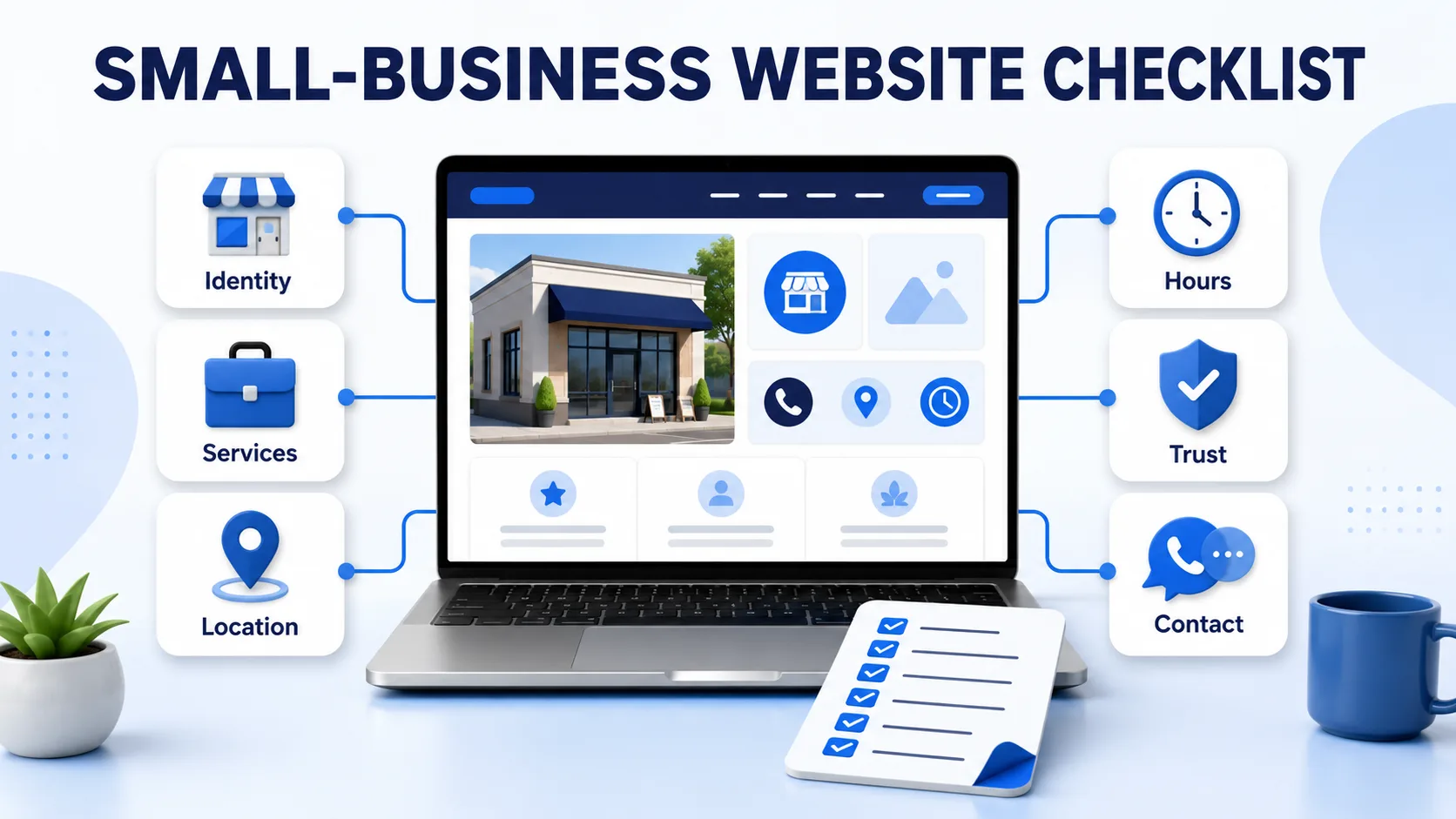
Keep their business name, address, phone number, and hours consistent everywhere.
Publish detailed services, products, menus, pricing, policies, and FAQs.
Update information whenever the business changes.
Clearly explain what they offer.
Use structured business information that search engines and AI systems can understand.
Regularly check what AI tools say about their business and competitors.
How Openleet Helps
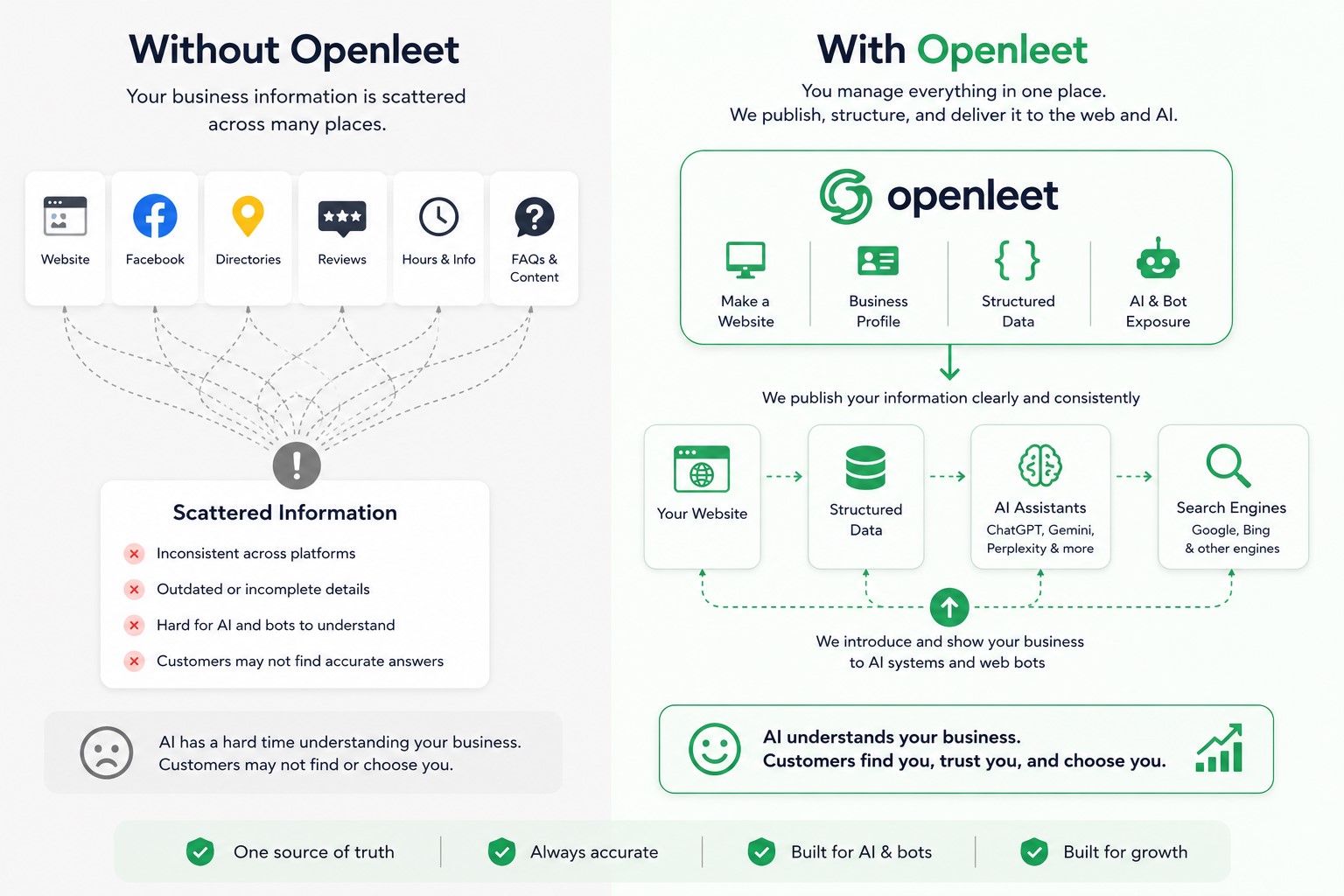
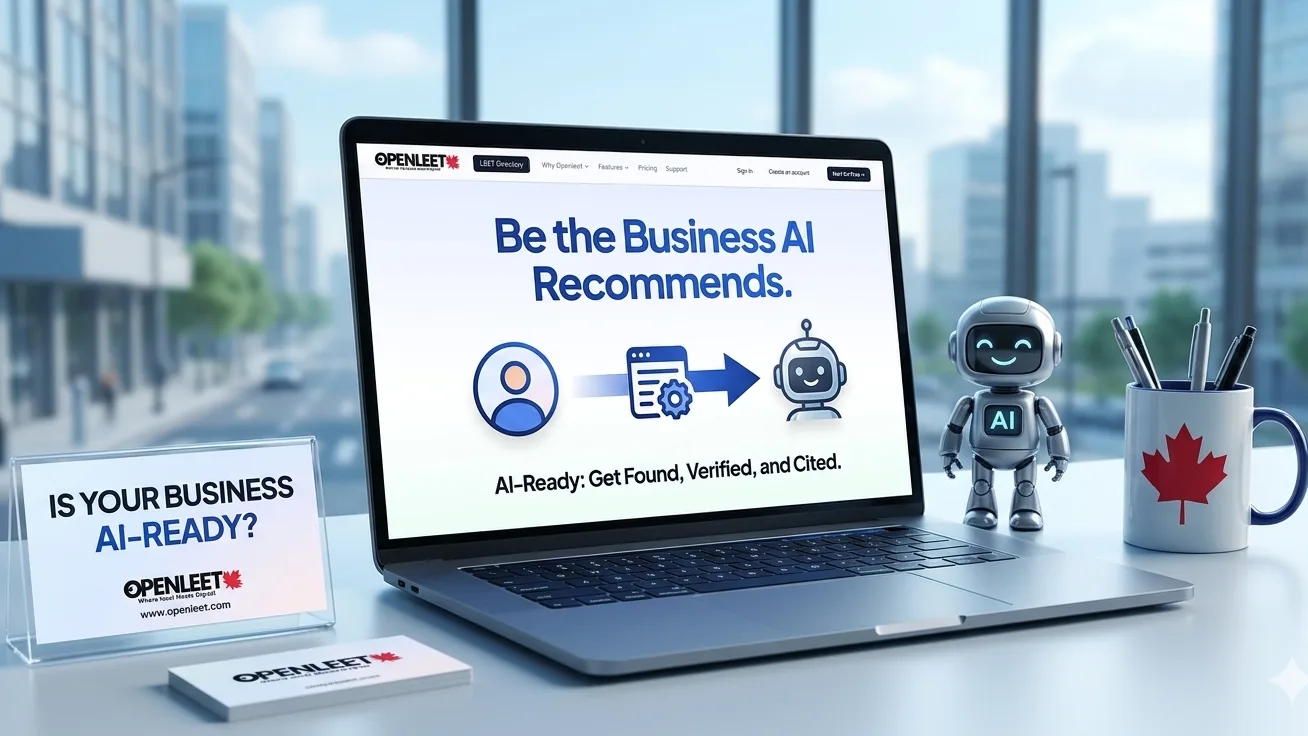
Openleet was built to make this easier and more affordable for small businesses.
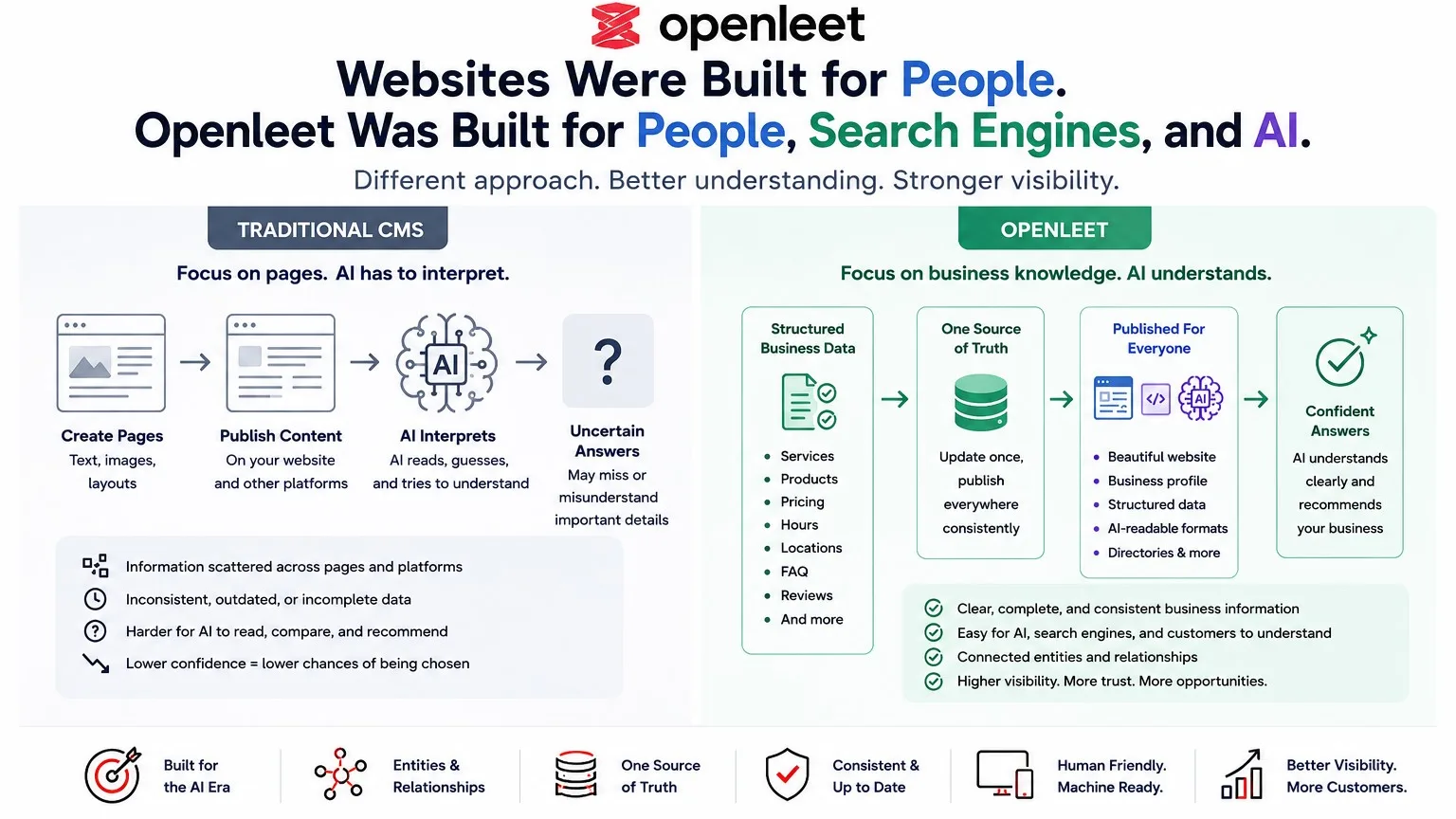
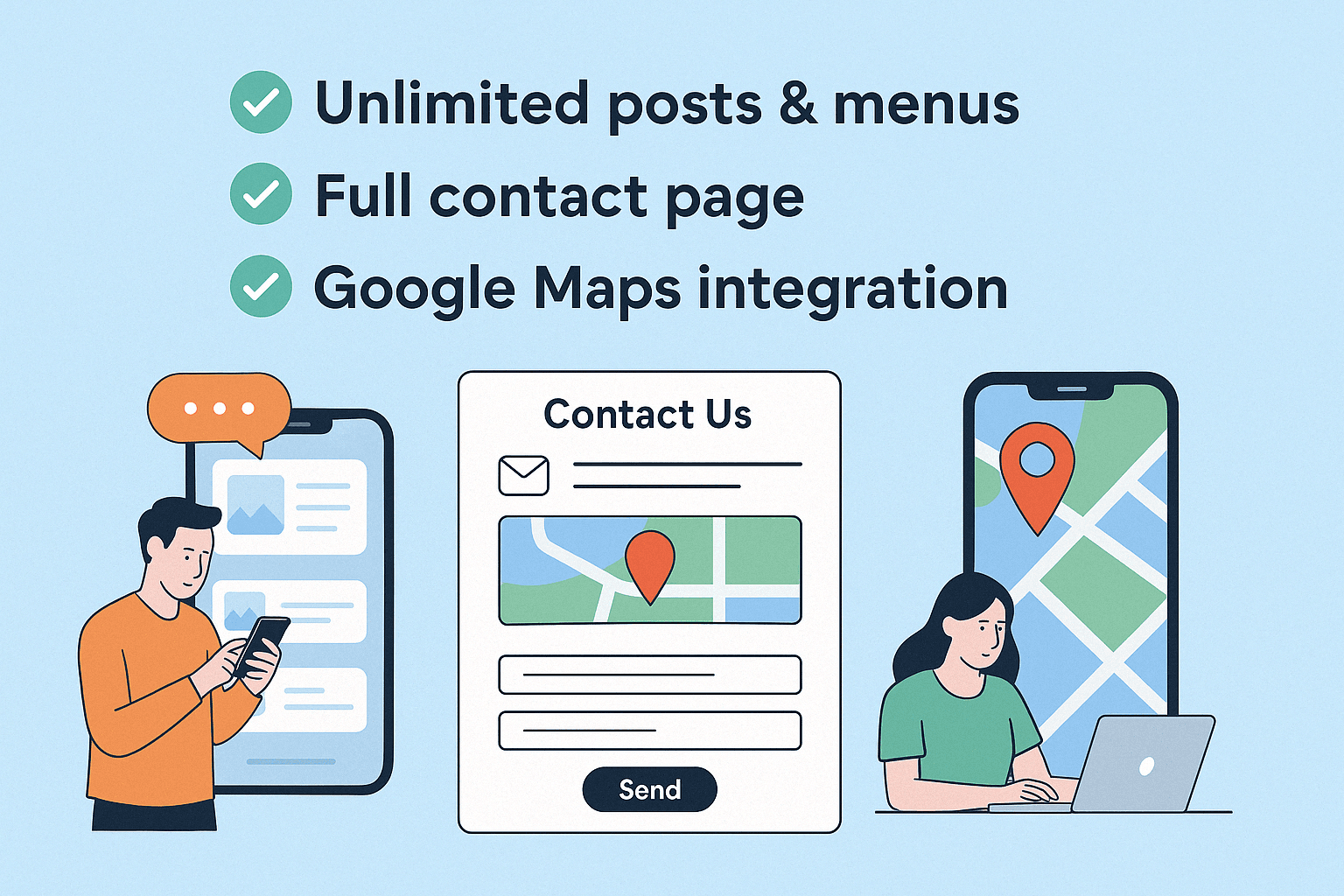
Instead of asking business owners to manage scattered information across websites, directories, social media pages, and search platforms, Openleet provides one place to organize, manage, and publish clear business information.
With Openleet, businesses can keep their profile, services, products, hours, location, contact details, FAQs, and other important information accurate and consistent across their online presence.
That makes it easier for customers, search engines, and AI assistants to find your business, understand what you offer, and recommend you with confidence.
The Cost of Waiting
Businesses that ignore this shift may still have a website and still appear in traditional search results, but they may become increasingly difficult for AI assistants to understand and recommend.
As more customers ask direct questions instead of browsing dozens of websites, businesses with incomplete, outdated, or inconsistent information risk being overlooked—even when they are the better choice.
Final Thought
The next customer may never visit your homepage first.
They may simply ask:
Who is the best option for what I need right now?
Whether your business becomes part of that answer depends on how clearly and confidently your information can be found, understood, and trusted.
That's the challenge modern businesses face—and it's exactly the problem Openleet helps solve.
Sources and Further Reading
BrightLocal — Local Consumer Review Survey
Yext — Consumer Search Behaviors Report
Pew Research Center — AI search and consumer behavior research
Search Engine Land — AI search and zero-click search articles
SparkToro — Zero-click search studies
Semrush — AI Visibility Index
McKinsey & Company — Generative AI and marketing research
Gartner — AI search and digital transformation forecasts