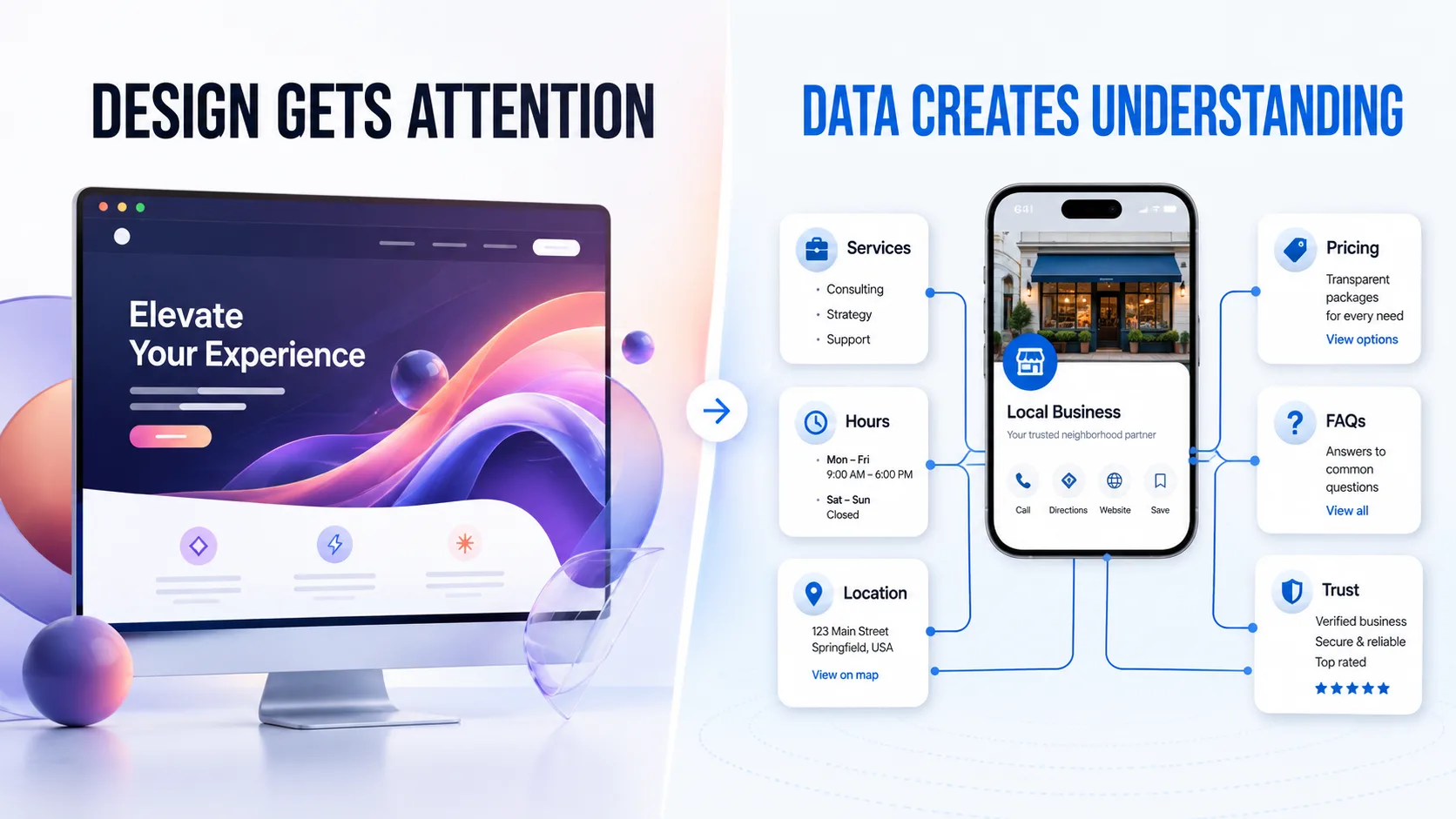
Businesses often think improving their website means changing its colours, layout or visual design. Those things matter, but our review found that the biggest opportunities were usually related to something more fundamental: the quality, completeness and organization of the business information.
We reviewed 25 websites belonging to businesses serving Squamish. The sample included trades, professional services, healthcare providers, childcare organizations, restaurants, retailers, creative businesses and automotive services.
We did not rank or publicly identify the businesses. The purpose was to understand what local websites do well, what information is commonly missing, and how businesses can make their online presence more useful to customers, search engines and AI assistants.
What we reviewed
Each website was evaluated using information visible on its public pages. We looked for signals such as:
A clear explanation of the business
Contact information and operating hours
Detailed descriptions of services or products
Dedicated pages for important offerings
Pricing or process guidance
Squamish and service-area information
Owner and team information
Credentials, reviews and other trust signals
Projects, portfolios or examples of completed work
Frequently asked questions
Recently updated content
A clear next step, such as booking, requesting a quote or making contact
The review measured information readiness rather than visual design alone. It was not a technical performance test, accessibility certification or guarantee of search rankings.
The overall result

The average information-readiness score across the 25 websites was 78 out of 100.
Four websites reached the leading category, while 18 were classified as strong. Two were developing, and one remained at a foundational level.
This is encouraging. Most Squamish businesses in the sample had functioning websites with clear services and contact options.
However, even many visually polished websites were missing information that could help potential customers make decisions.
Services were usually clear
Every website reviewed provided at least some explanation of what the business offered.
This was one of the strongest areas in the study. Most businesses clearly stated whether they provided accounting, electrical work, healthcare, childcare, food, retail products or another service.
However, the amount of detail varied considerably.
Some businesses provided dedicated pages that explained individual services, who each service was for, how the process worked and what customers should expect. Others displayed only a short list of service names.
A service name is a useful start, but customers often need more information:
What does the service include?
Who is it suitable for?
Where is it available?
What should the customer prepare?
How long could it take?
What happens after the customer contacts the business?
Are there any starting prices or common cost factors?
Clear answers make a website more useful without requiring complicated design.
Frequently asked questions were the largest gap
Approximately 88% of the websites reviewed did not provide a clearly accessible FAQ section.
This was the most common missed opportunity.
Customers frequently have questions before they are ready to call, book or request a quote. These questions may concern prices, availability, service areas, qualifications, timelines, cancellations or what to expect.
FAQ content is also naturally structured around direct questions and answers. This can make the information easier for search engines and AI systems to interpret.
A useful FAQ section does not need to be large. Five or six genuine customer questions can be more valuable than a long page of general promotional text.
Projects and real examples were uncommon
Approximately 84% of the websites did not include a clear project, case study or portfolio section.
Not every business needs a traditional portfolio. Nevertheless, most businesses can provide some form of real-world evidence.
Examples include:
Completed renovation or repair projects
Before-and-after photographs
Client situations and solutions
Sample bookkeeping or consulting processes
Floral arrangements or event work
Treatment approaches
Product applications
Menus or seasonal offerings
Community initiatives
Customer outcomes presented without private information
Real examples help visitors understand what the business actually does. They can be especially valuable for service businesses whose work is difficult to evaluate from a short description.
Operating hours were often missing
More than half of the reviewed websites did not clearly display business hours on the pages we examined.
Hours may already exist on Google Business Profile or another directory, but the business website should remain a reliable source of this information.
Hours are particularly important for restaurants, shops, clinics, childcare providers and appointment-based businesses. Service-area businesses can instead explain when calls are answered or when appointments are normally available.
Businesses should also clarify whether hours change seasonally or during statutory holidays.
Pricing guidance does not require publishing a complete price list
Approximately 44% of the websites did not offer visible pricing or process guidance.
Many businesses cannot provide an exact price before understanding the customer’s situation. That does not mean the website must avoid the subject entirely.
Helpful guidance could include:
Starting prices
Typical price ranges
Hourly rates
Minimum service charges
Consultation fees
Factors that affect the final price
Whether estimates are free
Whether insurance or benefits may apply
What information is needed to prepare a quote
This helps customers understand whether a service is appropriate before contacting the business.
Team and owner information builds confidence
Approximately 36% of the reviewed websites did not clearly identify an owner, founder or team member.
People frequently want to know who will enter their home, handle their finances, care for their child, provide treatment or manage their project.
A useful team profile can include:
The person’s name and role
Relevant experience
Qualifications or certifications
Areas of specialization
Languages spoken
A short explanation of their approach
A professional photograph
This information is not merely decorative. It helps establish the relationship between the business, its services and the people responsible for delivering them.
Trust information should be specific
Many websites used phrases such as “professional,” “reliable” or “high quality.” These statements are common, but they become more persuasive when supported by evidence.
Useful trust signals include:
Professional licences
Certifications
Industry memberships
Years of experience
Insurance information
Customer reviews
Awards
Published policies
Project examples
Clear guarantees
Transparent business ownership
Businesses should only publish credentials they are authorized to display. Sensitive licence documents and personal information should not be uploaded publicly.
Fresh content was inconsistent
About 56% of the websites did not show clearly recent content.
A business does not need to publish every week. However, an occasional update can demonstrate that the business is active and that its information remains current.
Useful updates may include:
A newly introduced service
Seasonal hours
Registration or booking availability
A completed project
A practical customer guide
An event or community initiative
A change in service area
Answers to new customer questions
Updating core service pages can be just as valuable as publishing new articles.
What the strongest websites had in common
The strongest websites did not succeed because of design alone. They combined several types of information:
A clear statement explaining the business
Detailed descriptions of important services
Strong Squamish or service-area context
Evidence supporting the business’s experience and credibility
Direct answers to likely customer questions
Clear contact, booking or quote actions
Information that was organized into understandable sections and pages
This structure helps visitors move from discovery to understanding and then to action.
It can also make the business easier for search engines, directories and AI systems to interpret. It does not guarantee visibility, but it provides these systems with clearer and more complete source information.
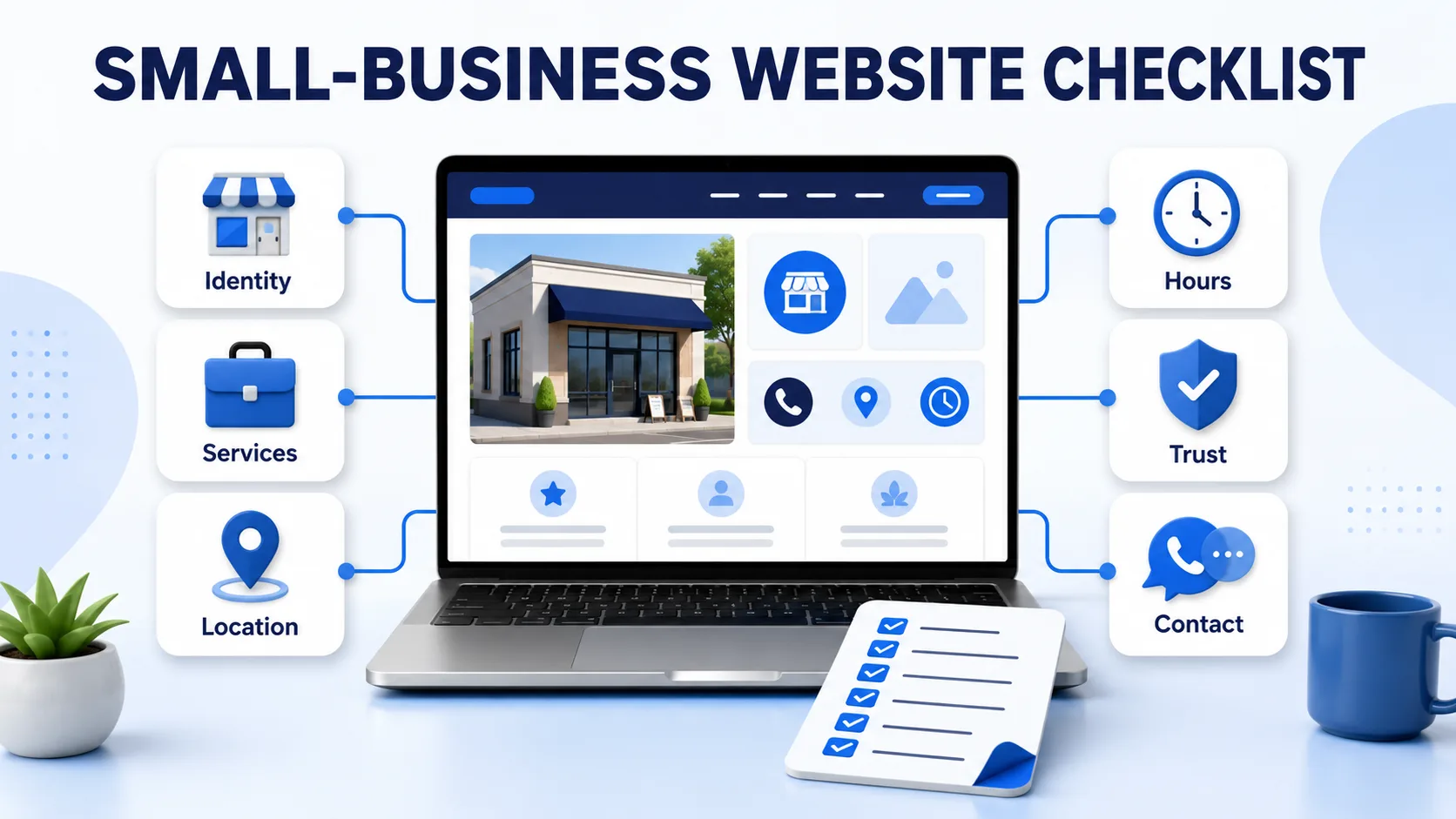
A practical checklist for local businesses
A Squamish business does not need to rebuild its entire website to make meaningful improvements.
Start by checking whether your online presence clearly communicates:
Your correct business name
What your business does
Your primary services or products
Your address or service area
Your phone number and email
Your operating or contact hours
Who owns or operates the business
Relevant credentials and experience
Answers to common customer questions
Examples of your work
Pricing or quotation guidance
The next action a customer should take
Complete and current information is usually more valuable than adding another generic promotional page.
Final perspective
The review suggests that Squamish businesses already have a strong online foundation. The larger opportunity is to make their information more complete, specific and easier to navigate.
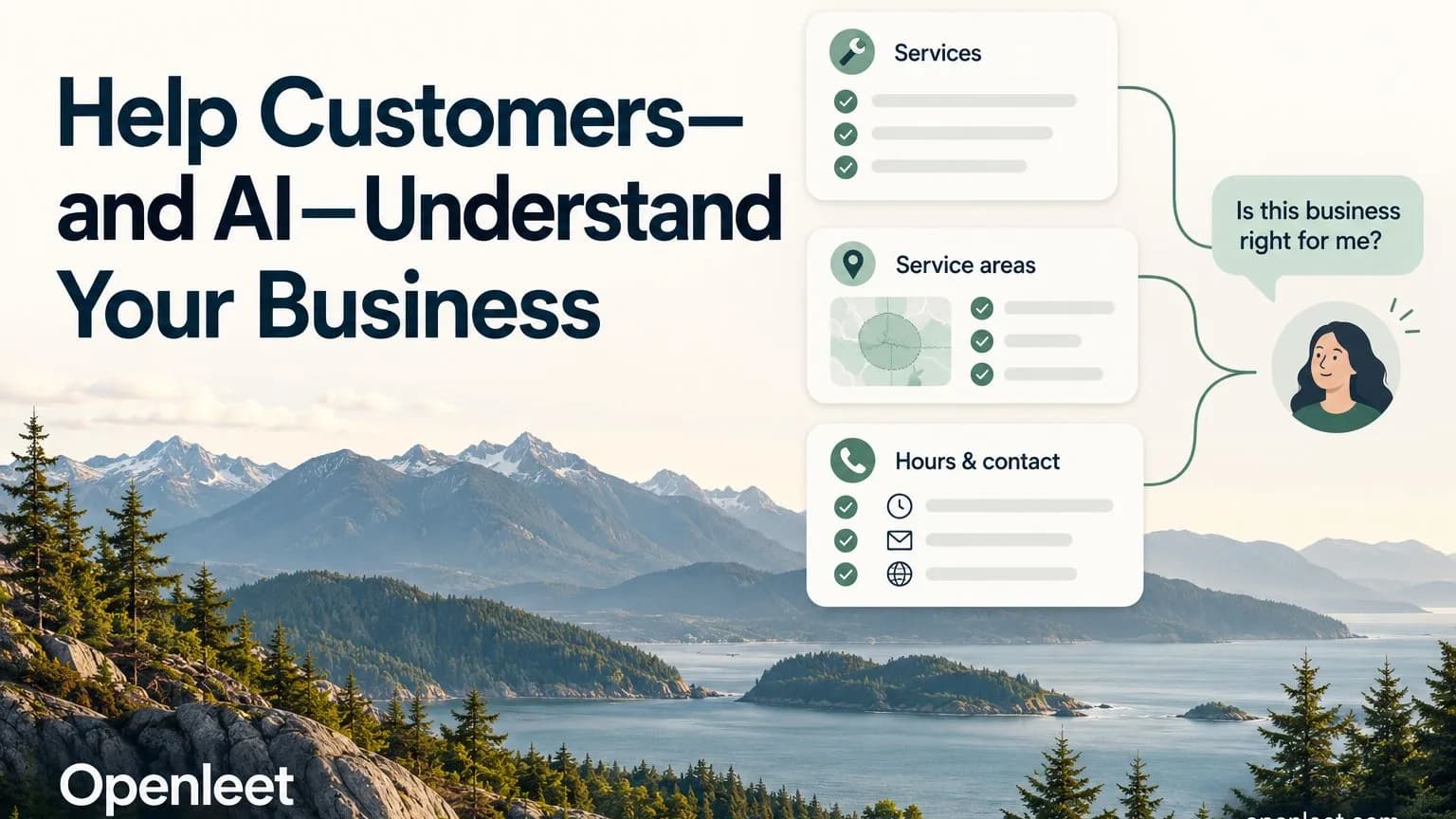
A business is more than a name, a short description and a contact form. Its online presence should explain what it offers, where it works, who is responsible, why customers can trust it and what someone should do next.
That approach supports customers first. It also creates clearer information for the search engines, directories and AI tools people increasingly use to discover and understand local businesses.
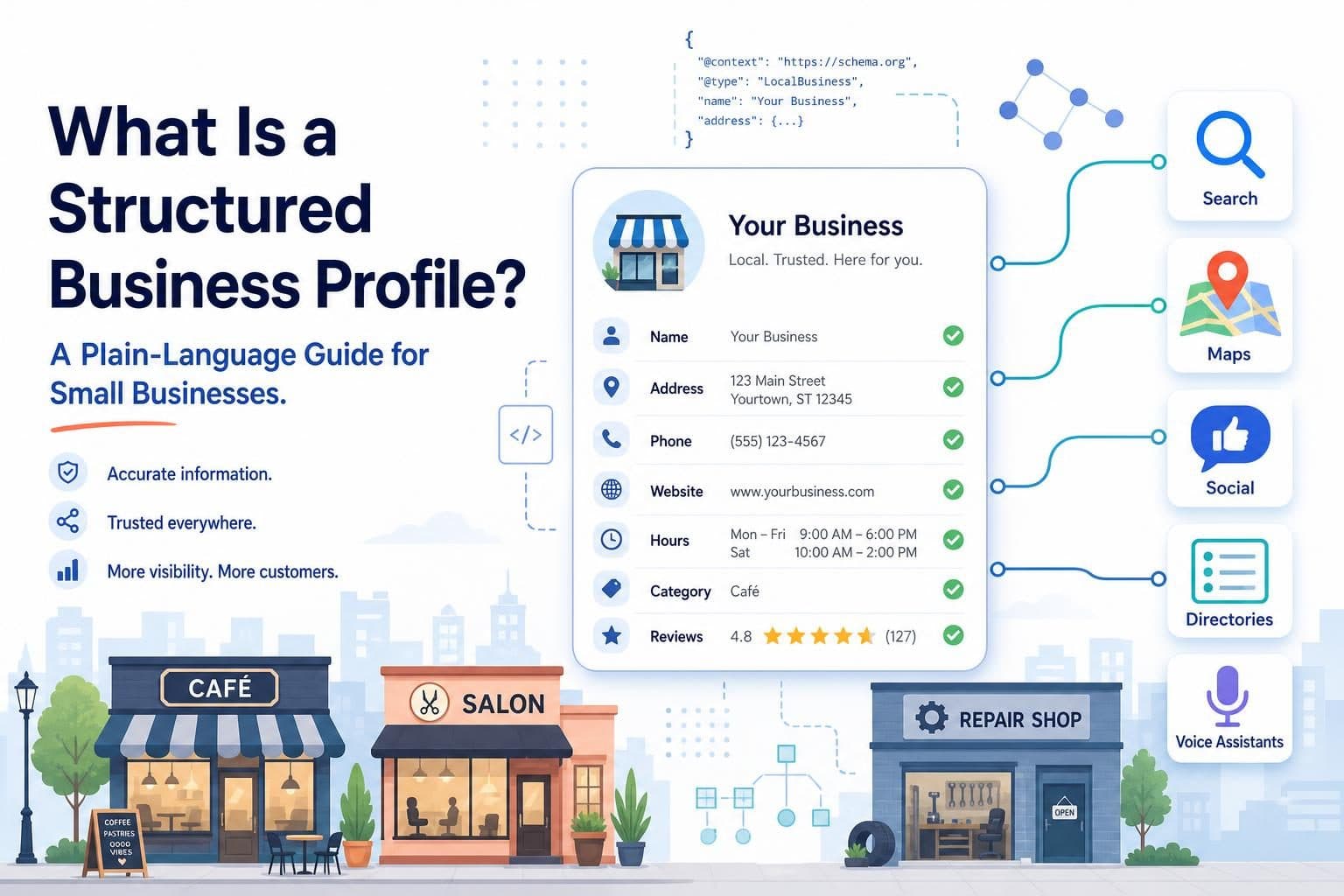
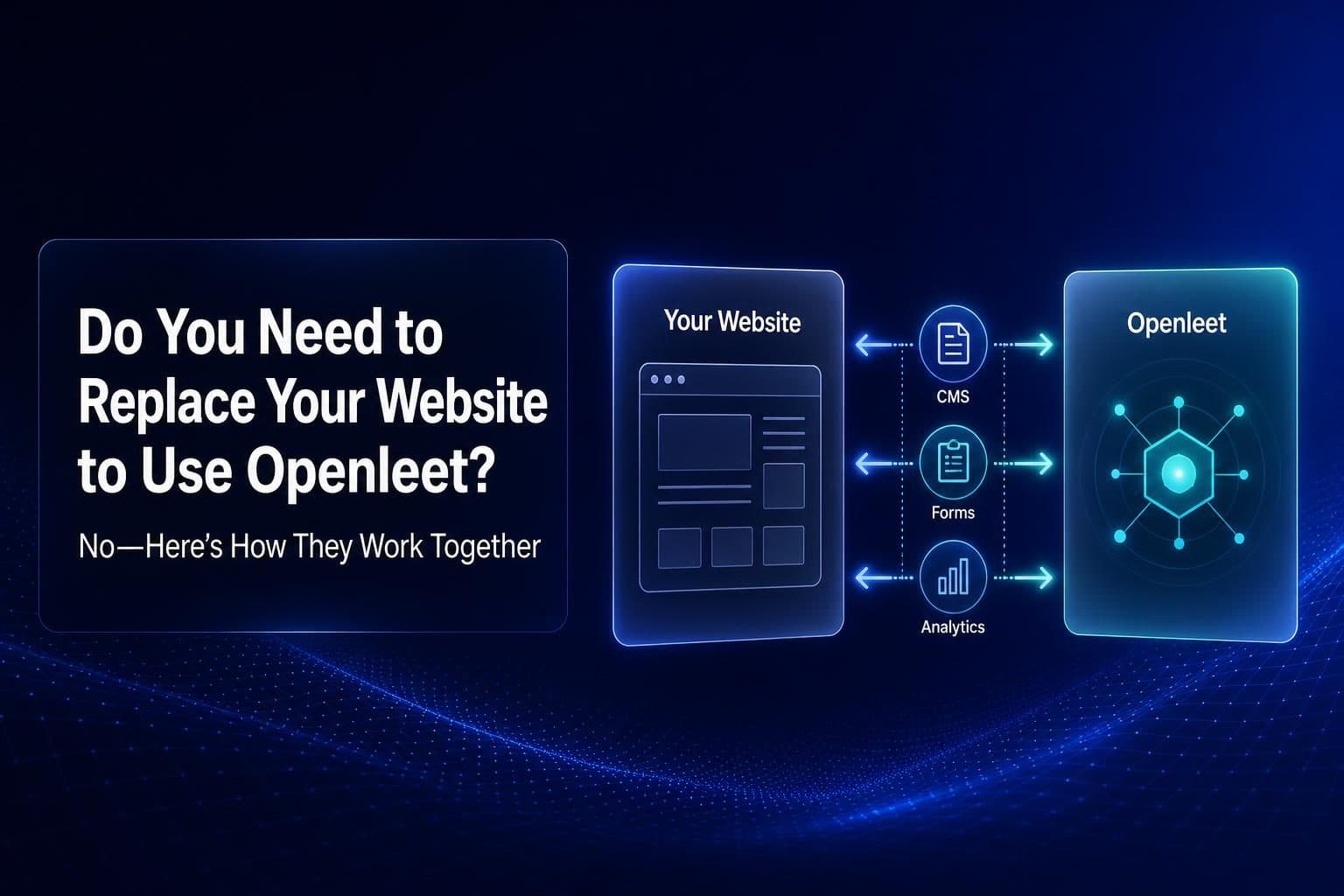
Openleet helps businesses organize this information into a structured business profile that can be updated without rebuilding an entire website.
Create your free Openleet business profile and start organizing the information customers need to understand your business.