Your Website Is Online—but Is It Fully Representing Your Business?
Having a website is an important step for any business. It gives you an address online, introduces your company and provides customers with a way to contact you.
But simply having a website does not mean that your business is being presented completely.
Many small-business websites contain a home page, a short About page and a contact form. They may look professional, but important business information is often missing, outdated or difficult to find.
A customer might still be left wondering:
What services does this business provide?
How much do those services cost?
Which locations does it serve?
Is it open today?
What experience, licences or credentials does it have?
Can I see examples of previous work?
How do I book, request a quote or ask a question?
Is this business suitable for my particular needs?
If customers cannot answer these questions easily, your website may be online without fully representing the business behind it.
Your business is more than a few web pages
A business changes continuously.
You may introduce a new service, expand into another city, complete an important project, hire a new team member or receive a new professional certification. Your hours, prices, service areas and customer processes can also change.
Traditional websites often make these updates more difficult than they need to be. Information becomes scattered across different pages, or the business owner must contact a designer every time something changes.
Over time, the website and the real business begin to tell different stories.
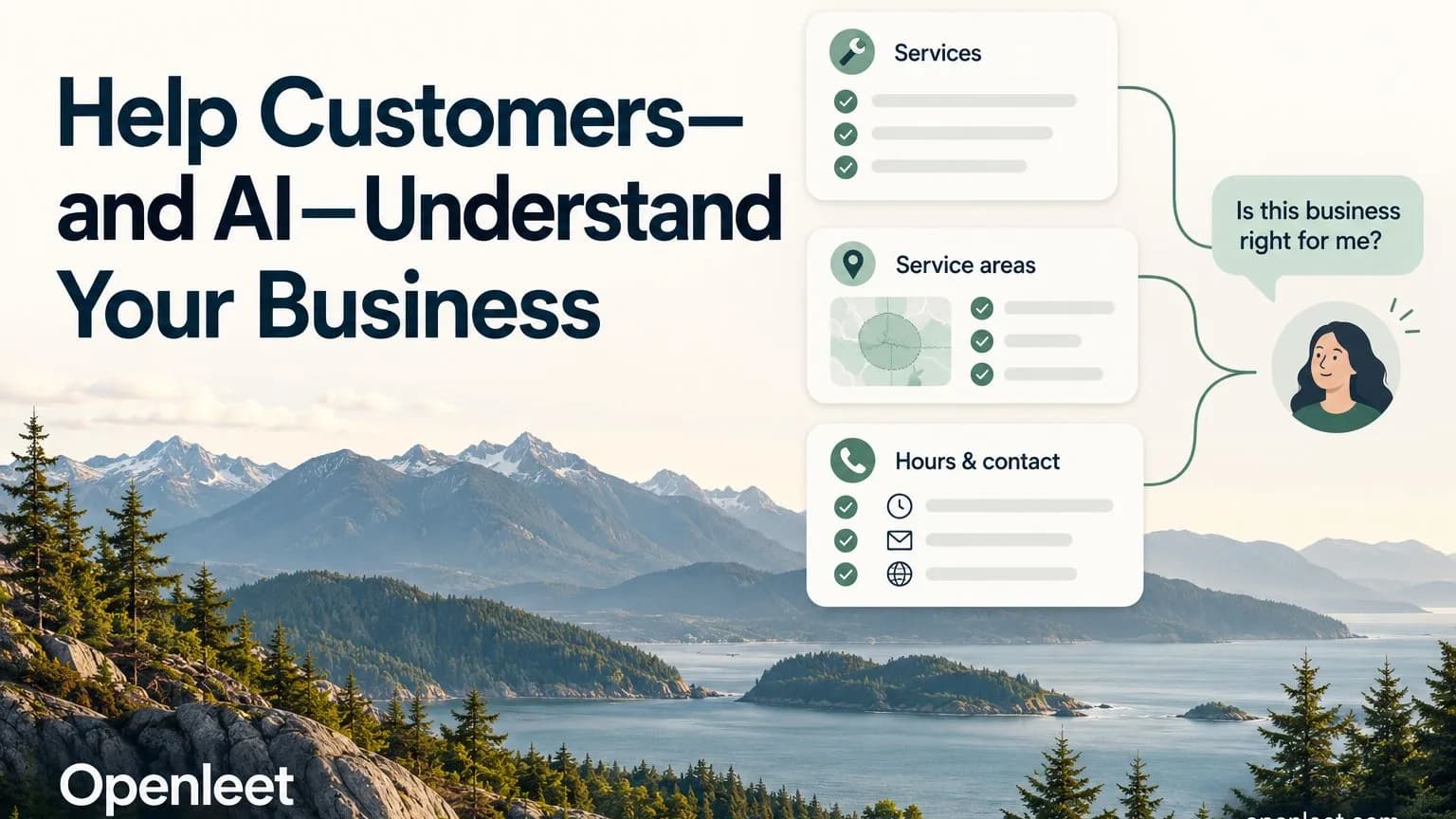
A complete online presence should make it easy to maintain structured information about:
Business identity and description
Products and services
Prices and packages
Locations and service areas
Business hours
Projects and portfolio
Credentials and licences
Team members
Frequently asked questions
Customer testimonials
Booking and contact options
Articles and useful industry information
This information should be clear for people to browse and organized consistently enough for software systems to interpret.
Seven signs your website may not be doing enough
1. Your services are mentioned only in a paragraph
A sentence such as “We provide accounting, payroll and business-support services” gives visitors a general idea, but it may not answer their real questions.
Each important service deserves a clear explanation:
Who is it for?
What problem does it solve?
What is included?
Where is it available?
What does it cost?
What should the customer do next?
2. Important information is difficult to update
If changing your hours, adding a project or publishing a new service requires a developer, those updates may be postponed indefinitely.
Your online information should be maintainable as part of normal business operations—not treated as a complete website redesign.
3. Customers repeatedly ask questions that the website could answer
Frequent telephone or email questions can reveal missing website information.
If customers regularly ask about service areas, prices, availability, qualifications, cancellation policies or the booking process, those answers should probably be available online.
A strong FAQ section can save time while helping customers decide whether your business fits their needs.
4. Your website does not show evidence of your experience
Customers often need more than promotional statements. They may look for:
Completed projects
Team experience
Professional credentials
Licences
Memberships
Testimonials
Case examples
Photos of real work
Publishing appropriate evidence can make a business easier to evaluate. Sensitive documents, private information and protected credential images should never be published publicly.
5. Your business information is inconsistent
Your business name, telephone number, address, hours and website should be consistent wherever they appear.
Conflicting information can confuse customers and make it harder for external systems to determine which details are current.
6. Every customer sees the same general page
Different visitors may have very different intentions.
One visitor may want a specific service. Another may be searching by location. Someone else may want pricing, a project example or an immediate booking option.
Dedicated pages and structured records make it easier to connect each visitor with the information relevant to their request.
7. Your website has no clear next step
After reading about a service, visitors should know what to do next.
Depending on the business, that action might be:
Request a quote
Book an appointment
Call the business
Send a message
Visit a location
View available packages
Browse related projects
Read frequently asked questions
A vague “Contact us” button is not always enough. The action should match the service and the customer’s likely intent.
Clear information helps more than human visitors
Customers are not the only ones reading business websites.
Search engines, directory systems and AI-powered services may also process publicly available business information. These systems work best when information is consistent, descriptive and organized around identifiable entities such as:
A business
A location
A service
A product
A team member
A project
An article
An offer
A frequently asked question
This does not guarantee a particular search position or an AI recommendation. However, complete and well-organized information gives these systems better material to interpret than a vague marketing paragraph.
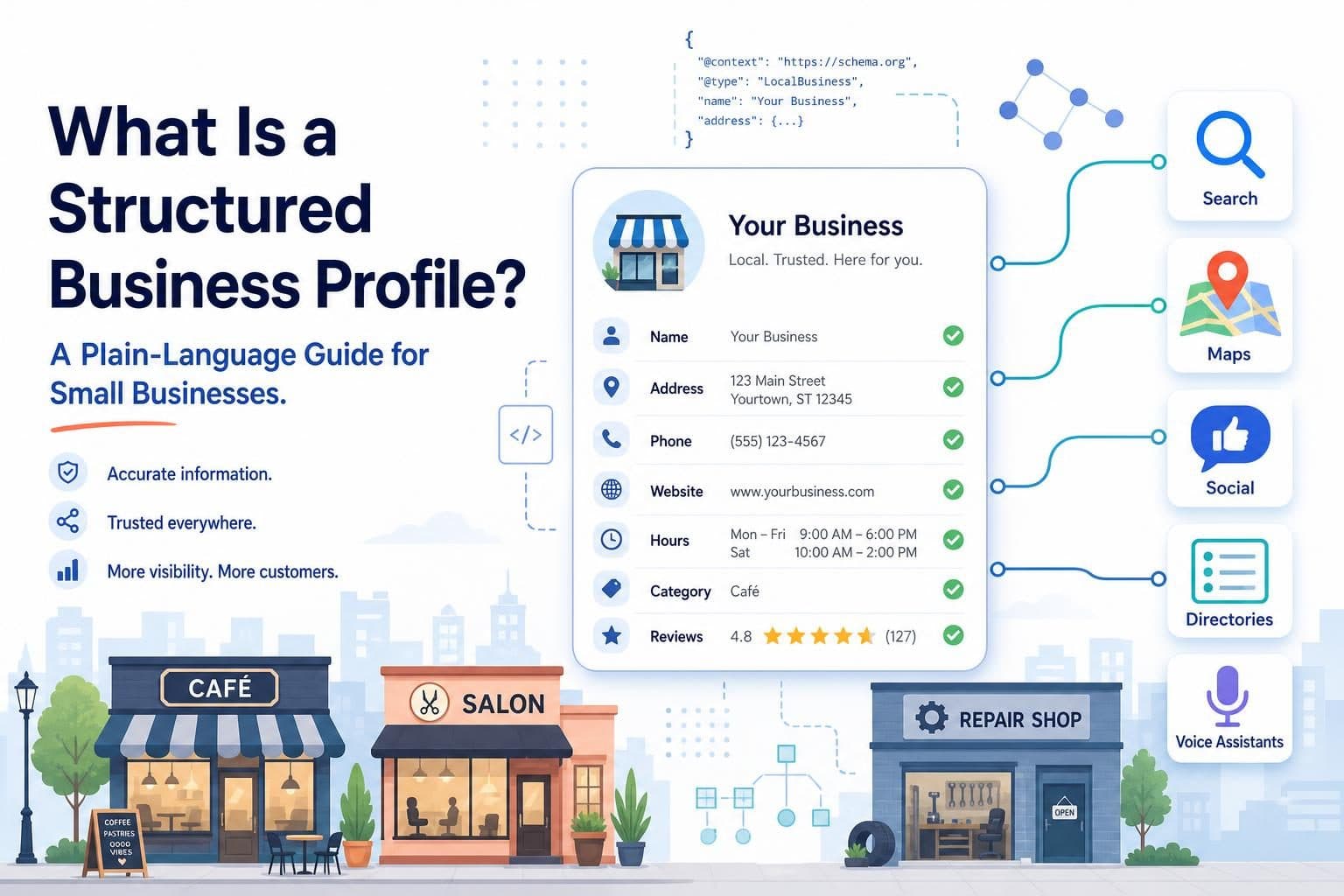
What is a structured online business profile?
A structured business profile organizes business information into individual, connected records.
Instead of placing everything inside one large page, it can connect:
Your business
├── Services and products
├── Locations and service areas
├── Hours and contact methods
├── Team members
├── Projects and portfolio
├── Credentials
├── Frequently asked questions
├── Testimonials
├── Articles and updates
└── Booking or quotation options
Each part remains connected to the same business identity.
This makes the profile easier to update and allows visitors to move directly to the information they need.
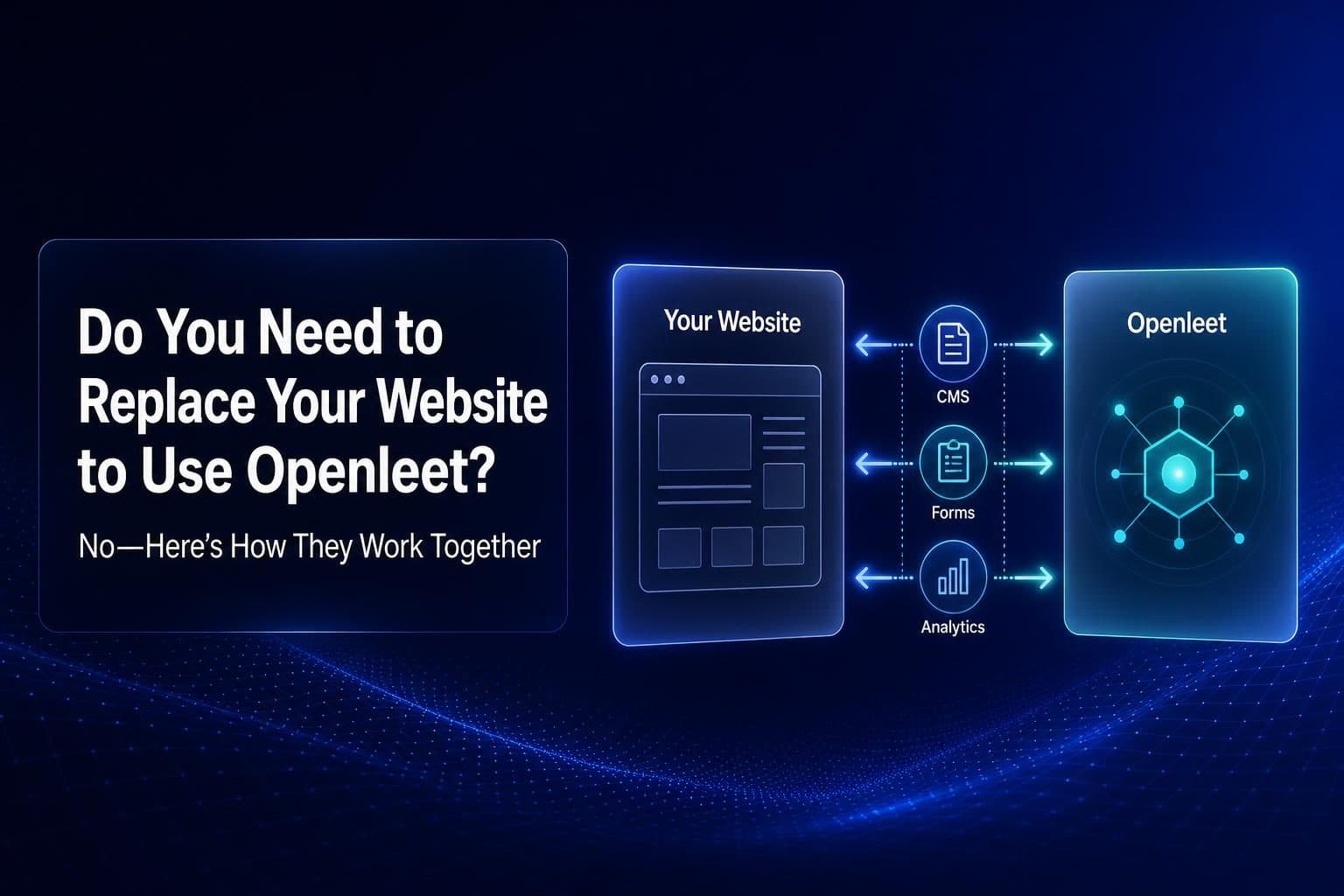
Openleet complements your existing website
Openleet is not asking every business to abandon its current website.
Your website remains an important property owned and controlled by your business. Openleet provides another layer: a structured business profile that organizes the information behind the website.
An Openleet profile can:
Link visitors directly to your official website
Present your contact information and operating hours
Organize services and products individually
Describe locations and areas served
Connect projects, FAQs and credentials to relevant services
Provide clear customer actions
Place eligible businesses in appropriate directory categories
Make public information available in structured, machine-readable formats
Give business owners a simpler way to keep information current
The goal is not to publish more pages for their own sake. The goal is to present more useful, accurate and maintainable business information.
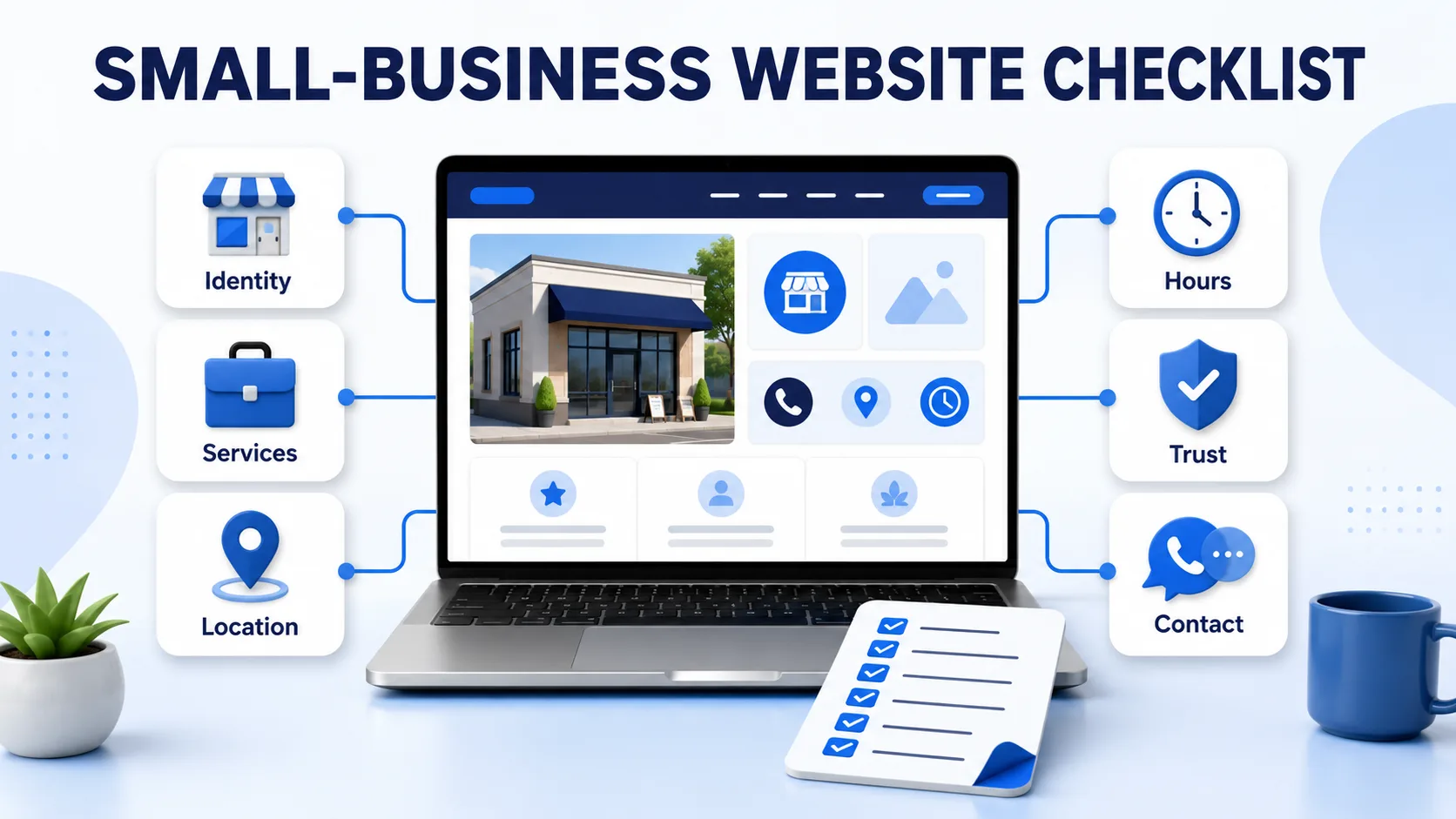
A practical business-information checklist
Review your current website and profile using the following checklist.
Business identity
Is the legal or public business name correct?
Is there a clear description of what the business does?
Is the business category accurate?
Is the logo current?
Does the profile link to the official website?
Contact information
Is the telephone number correct?
Is the public email address monitored?
Are contact methods appropriate for customers?
Is there a clear call to action?
Locations and availability
Is the physical address accurate?
Are service areas clearly identified?
Are business hours current?
Are holiday or appointment-only conditions explained?
Services and products
Does every important service have its own description?
Are prices or quotation methods explained?
Are service limitations and inclusions clear?
Does every service have an appropriate next step?
Trust information
Are qualifications described accurately?
Are credentials current and suitable for public display?
Are testimonials genuine and attributed appropriately?
Are projects or work examples available?
Are promotional claims supportable?
Customer questions
Does the website answer common questions?
Are booking and cancellation policies clear?
Are payment expectations explained?
Can customers understand what happens after contacting the business?
If many of these items are missing, the problem may not be your website’s visual design. The underlying business information may simply need to be completed and organized.
Start with the information customers need most
You do not need to complete everything in one day.
Begin with five priorities:
Confirm your business identity and contact details.
Add your most important services.
Define your locations or service areas.
Answer the questions customers ask most frequently.
Add one clear action for each important service.
Once those essentials are complete, you can gradually add projects, credentials, team information, testimonials, articles and other supporting content.
A better online presence begins with better business information
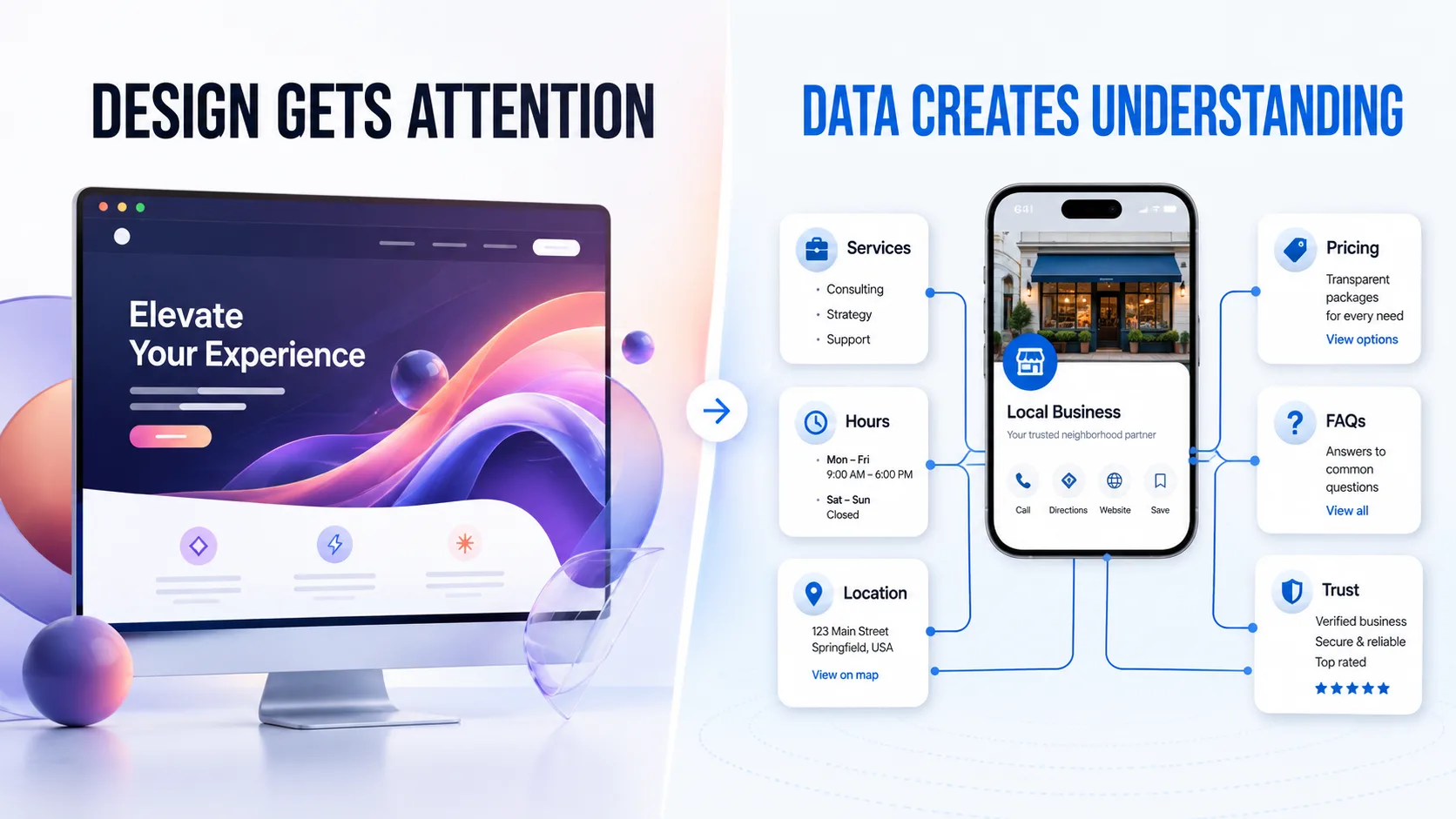
A beautiful website can create a strong first impression. But design alone cannot explain a business whose information is incomplete.
Customers need clarity. Search engines need accessible pages. AI systems need consistent, attributable information. Business owners need a practical way to keep everything current.
That starts by treating your business information as a valuable, maintainable resource—not merely as text placed inside a few web pages.
Openleet gives you one clear place to build that resource while keeping and supporting your existing website.
Check your business information or create your free Openleet business profile. No credit card is required to start.