One of the first questions a business owner may ask about Openleet is: “Do I have to replace my website?” The short answer is no.
If an existing website is accurate, easy to maintain, mobile-friendly, and useful to customers, replacing it may create work without solving a real problem. An Openleet business profile can complement that website by organizing business information into a clear public profile and directory presence.
A website and a business profile solve different problems
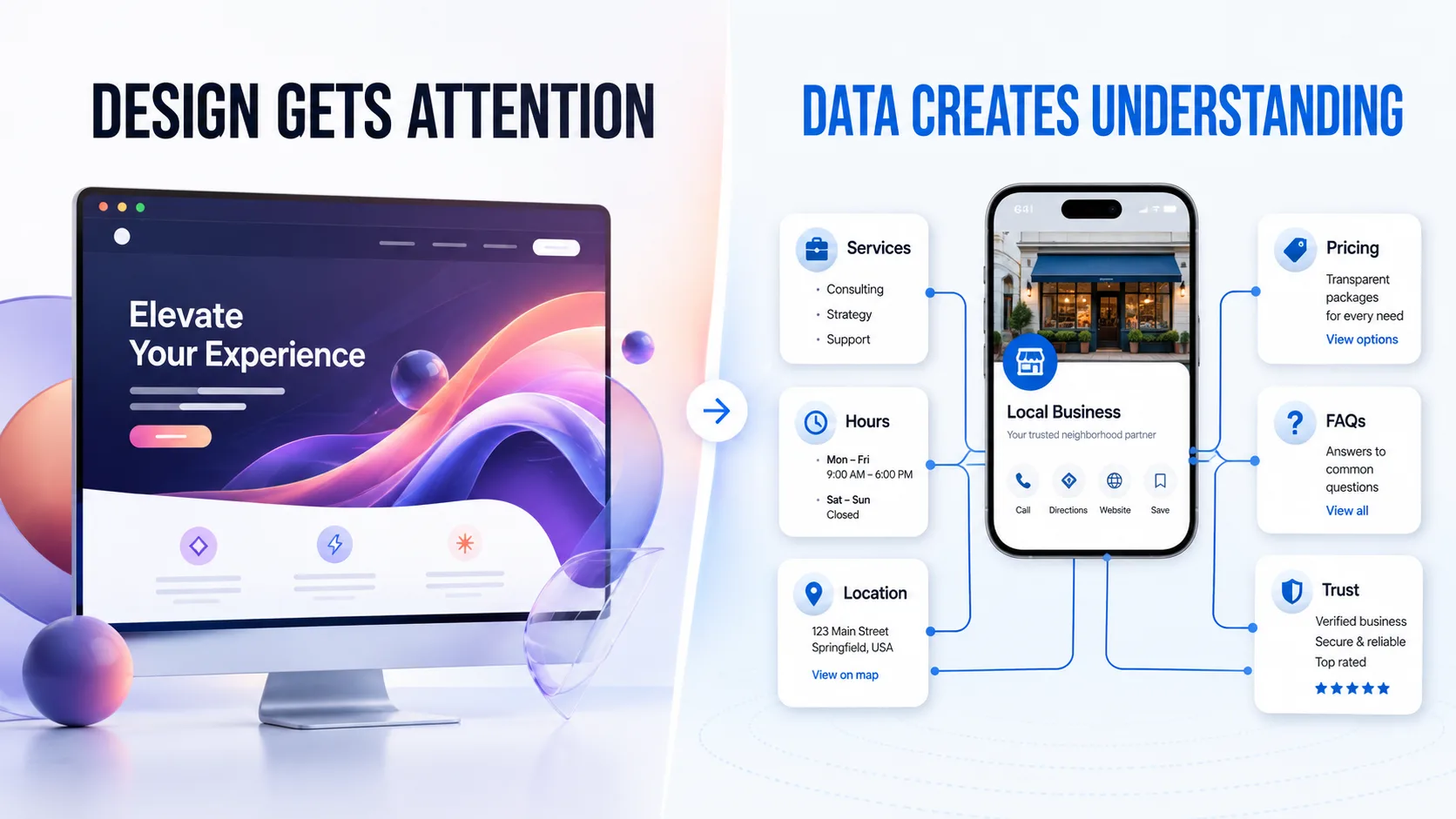
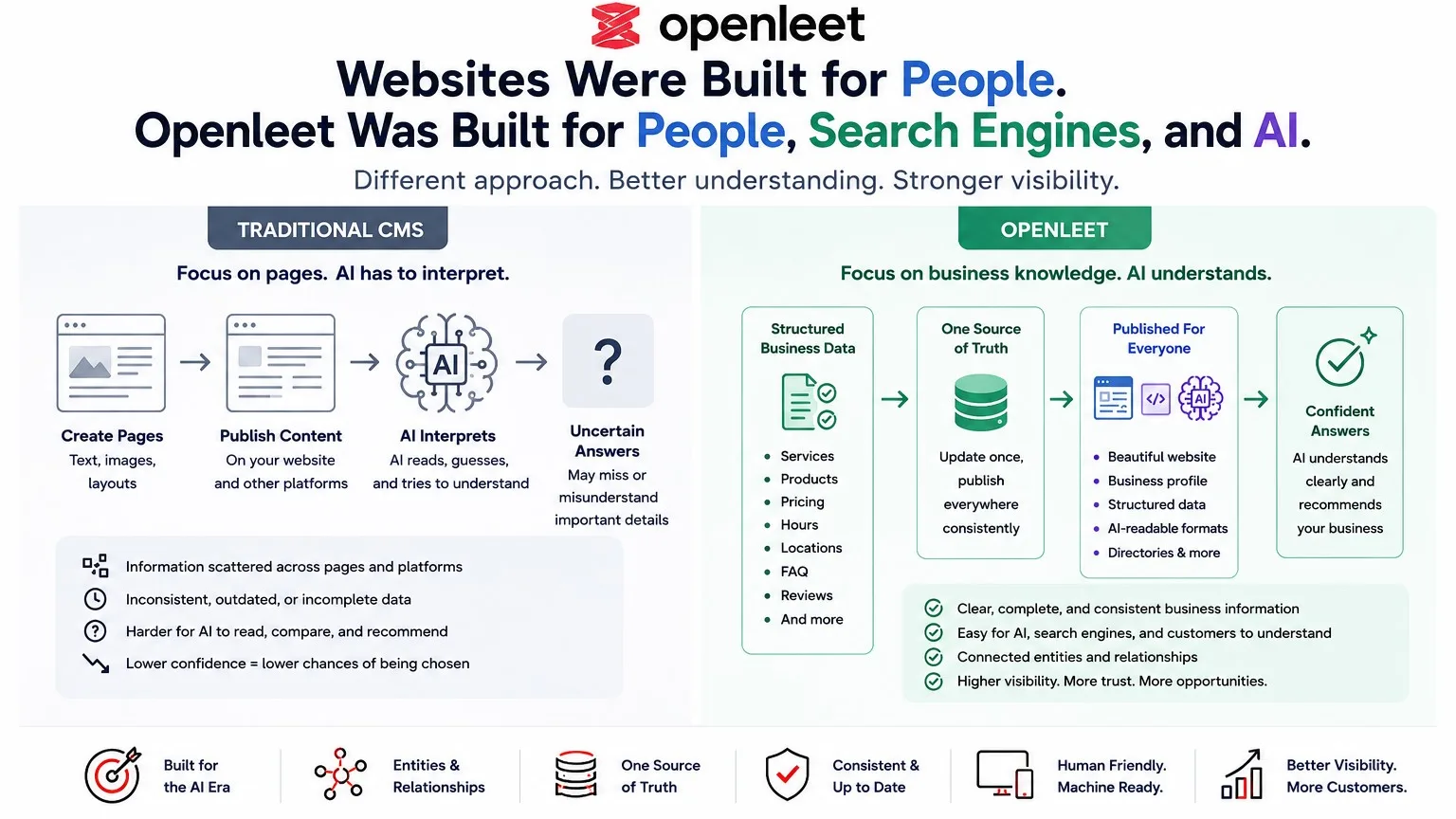
A website is a flexible presentation space. It can communicate a brand, support campaigns, provide specialized tools, and guide visitors through custom page layouts.
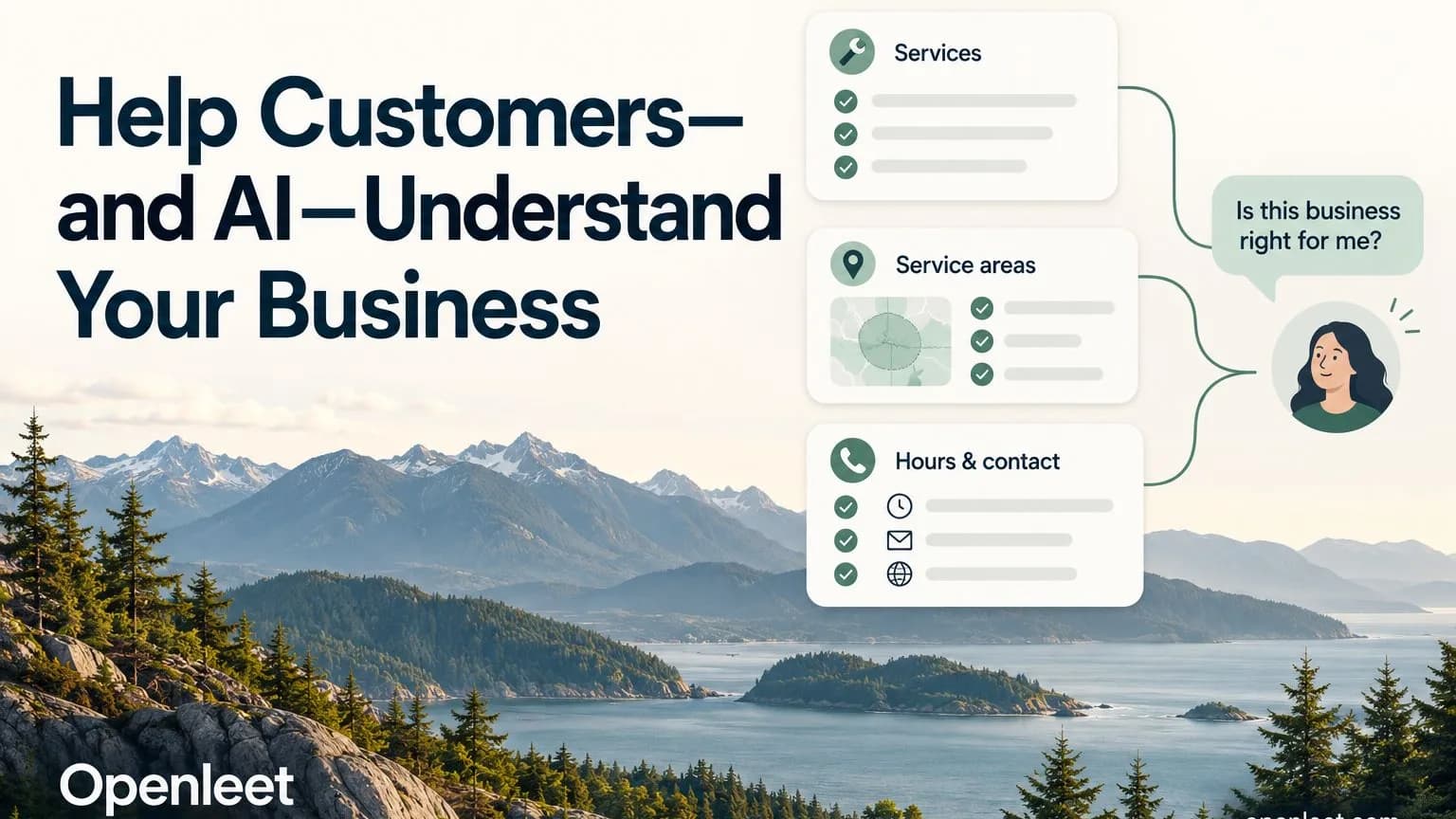
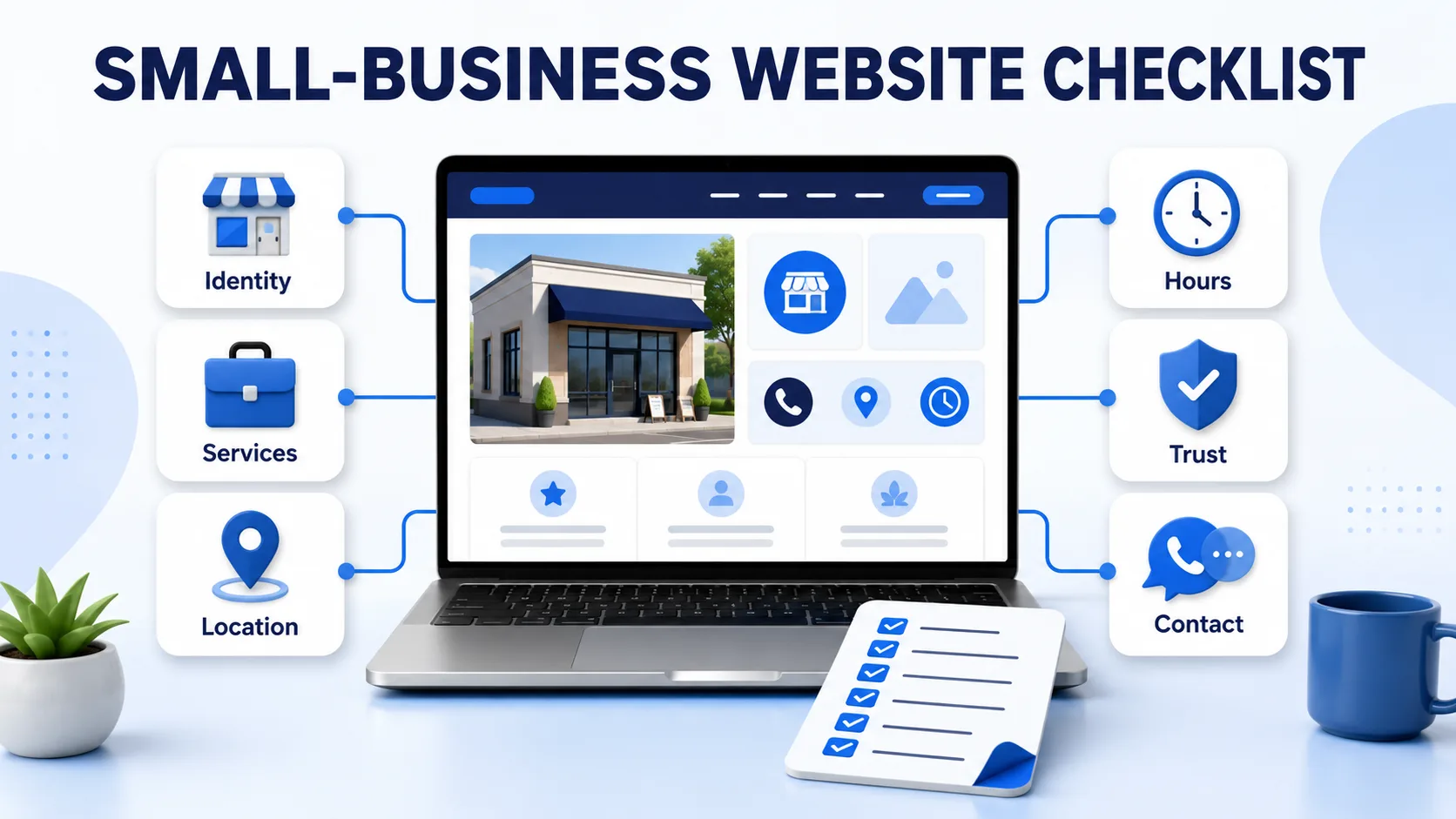
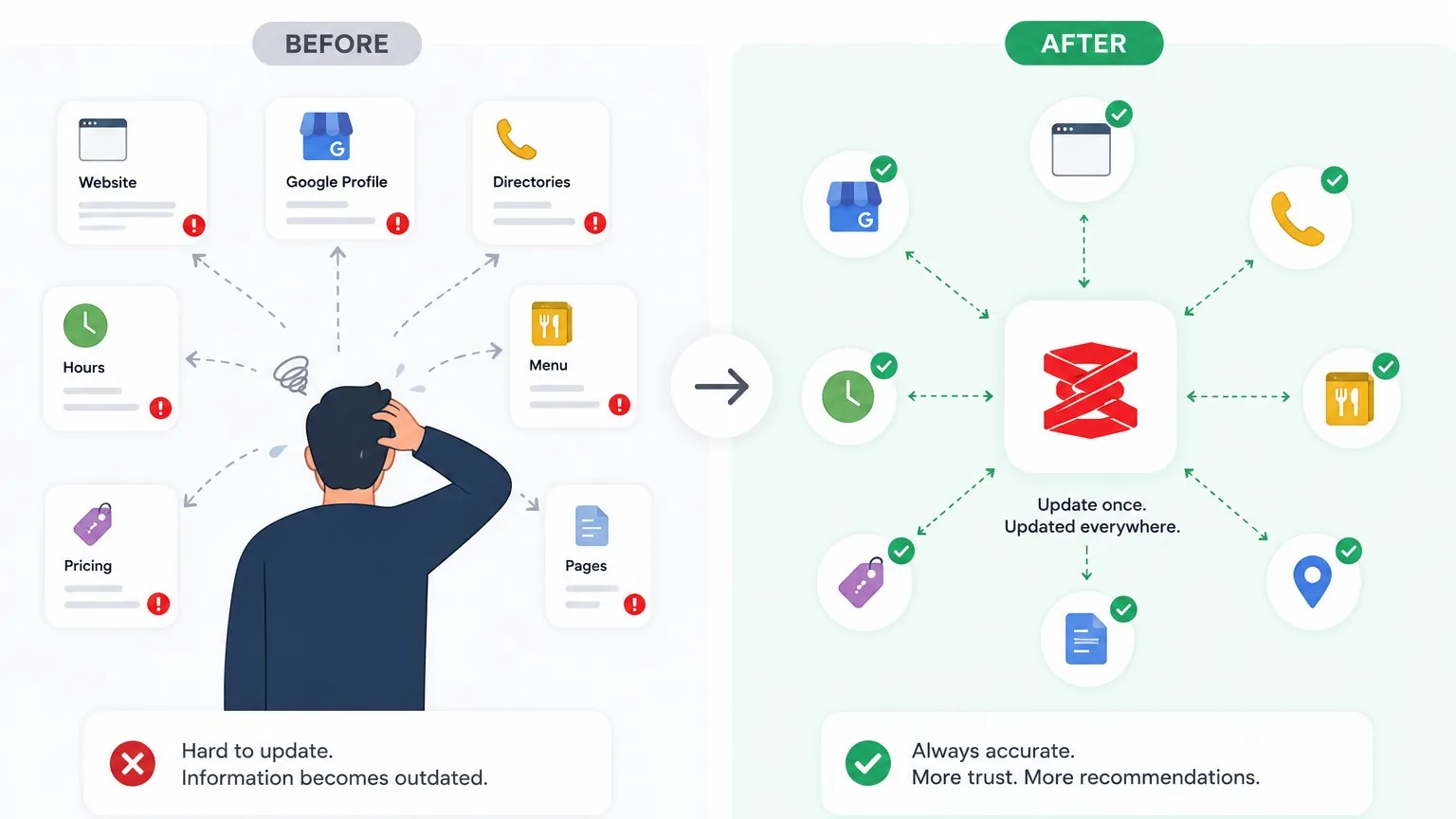
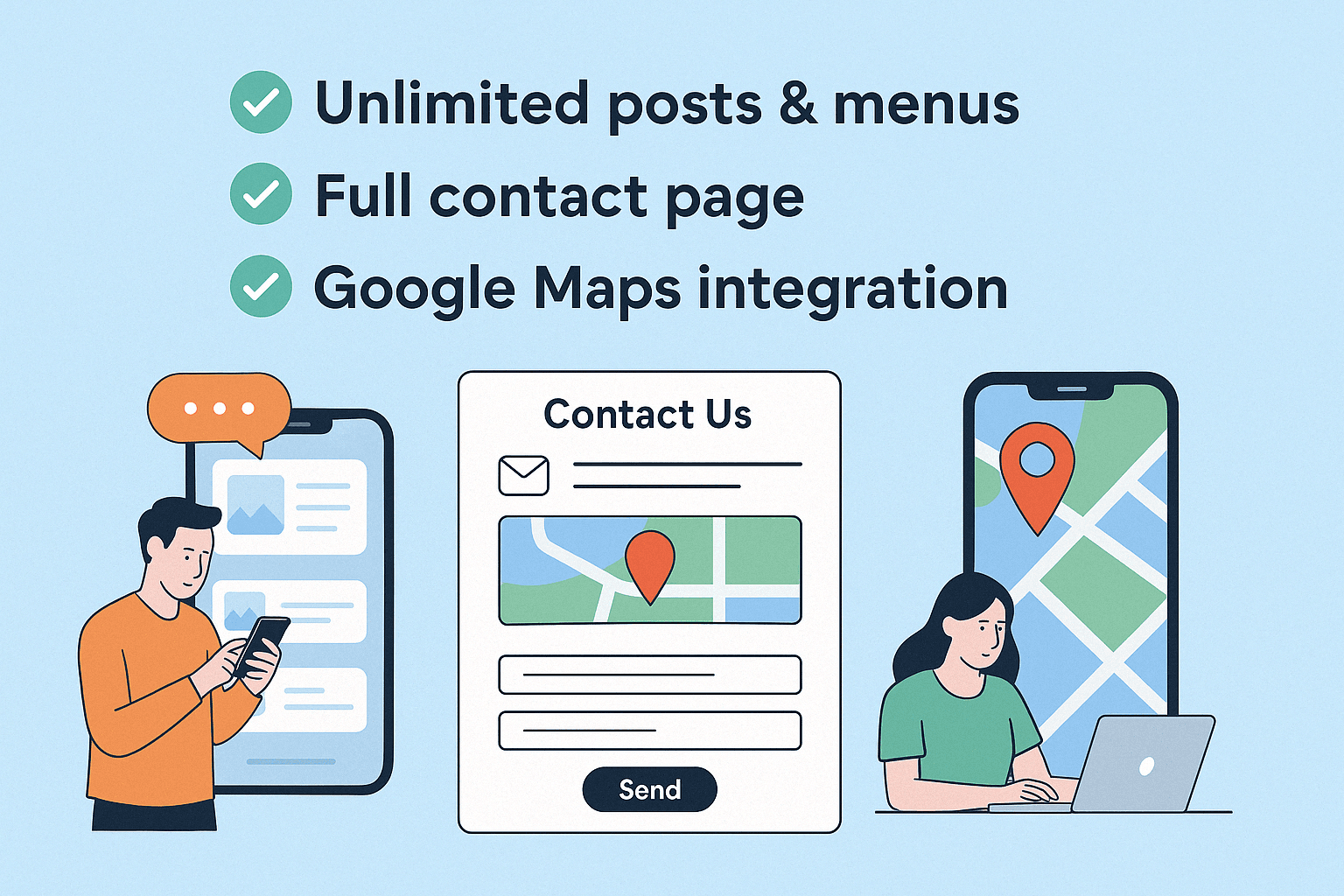
A structured business profile concentrates on the facts people repeatedly need: what the business does, which services or products it offers, where it operates, when it is available, and how to contact it. Openleet separates those subjects into maintainable sections instead of requiring the owner to rebuild page layouts whenever something changes.
These roles overlap, but they are not identical. A business can benefit from both.
Three practical ways to use Openleet
1. Keep your current website and add a business profile
This is often the safest starting point. The business creates an Openleet profile, completes its essential information, and links the profile to its existing website. The website remains the main branded destination while the Openleet profile offers another clear way to understand and discover the business.
This approach is appropriate when the current website works well but does not present every service, project, FAQ, credential, or location clearly.
2. Use the profile as the primary public presence
A new or very small business may not need a full website immediately. A complete public profile can provide a practical starting point while the owner learns which information customers need most.
The profile should still be treated seriously. It needs an accurate description, real contact methods, current hours, specific offerings, and periodic review. “Free” should not mean incomplete.
3. Use an Openleet-powered website
When a business needs its own web presence but wants to manage information through guided forms, an eligible Openleet service can publish that information as a website. The owner can use an Openleet subdomain or connect a custom domain where supported.
This option is most useful when the existing website is difficult or expensive to update, no longer reflects the business, or lacks essential mobile and accessibility basics.
When keeping the existing website is the better choice
Keep a current website when it has important functionality that is already working reliably, such as a specialized customer portal, mature ecommerce operation, complex integrations, or a substantial body of useful editorial content.
There is no value in moving simply for the sake of moving. Openleet’s role can be limited to organizing the business profile and providing clear links to the established website.
When replacement may be worth considering
A change becomes more reasonable when the website:
- contains outdated or contradictory information;
- cannot be edited without outside technical help;
- works poorly on mobile devices;
- has unresolved security or reliability problems;
- costs more to maintain than the value it provides; or
- no longer supports the services and contact paths the business actually offers.
Before replacing anything, list the pages, forms, integrations, email services, analytics, and search traffic the existing site currently supports. A responsible transition protects those assets and redirects old URLs where necessary.
Avoiding confusing or duplicated information
Using more than one public presence makes consistency important. The business name, phone number, location, hours, services, and primary website link should agree wherever they appear.
That does not require copying identical paragraphs everywhere. The profile can provide structured summaries while the website contains distinctive brand stories, campaign pages, or in-depth resources. Each article or important page should have a clear primary URL.
A low-risk way to begin
- Create the business profile without changing the current website.
- Add the essential identity, location, service, and contact information.
- Link to the existing website and verify that both sources agree.
- Observe which profile sections customers use and which questions remain unanswered.
- Consider a website change only if it solves a demonstrated maintenance or customer-experience problem.
The decision should follow the business—not the platform
Openleet is not intended to make a functioning website obsolete. It provides a structured home for business information and an optional website when that option is genuinely useful.
You can compare the available capabilities on the pricing page, review the profile, directory, and website comparison, or browse the business directory before deciding what your business needs.