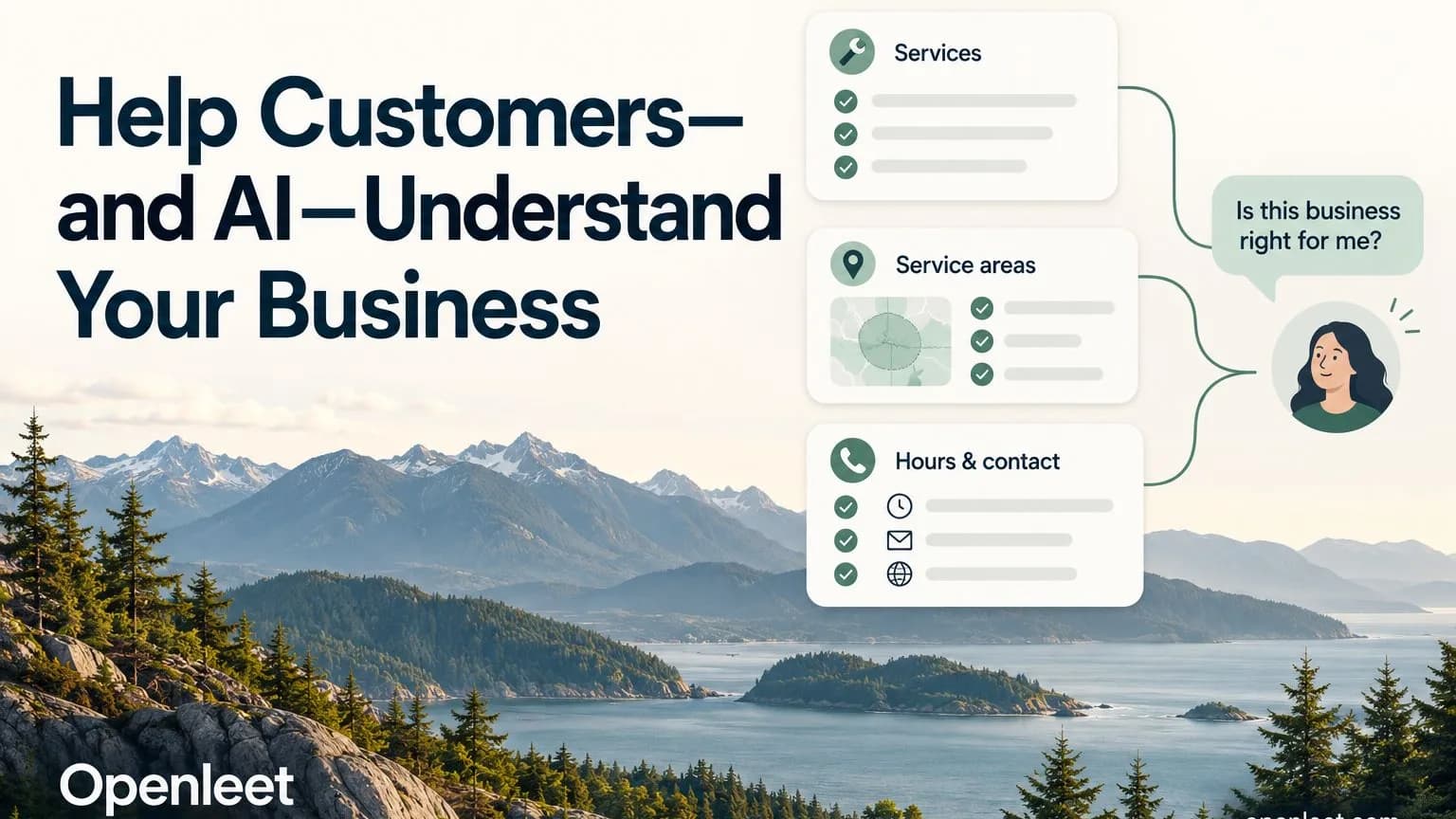
Most small businesses do not think of themselves as collections of data. They think about customers, services, schedules, locations, projects, and the work that needs to be done today. Yet online, a business is understood through information: its name, what it offers, where it operates, when it is available, and how someone can take the next step.
A structured business profile organizes those facts into clear, reusable sections. Instead of expecting a visitor—or a software system—to extract everything from a few long web pages, it gives each important fact an appropriate place.
What “structured” means in plain language
Imagine receiving business information in two formats. The first is a paragraph that mixes an address, several services, opening hours, and a phone number. The second separates that information into labelled fields: business name, service, location, opening hours, and contact method.
Both formats may contain the same words, but the second is easier to scan, update, compare, and reuse. That is the basic idea behind structured business information.
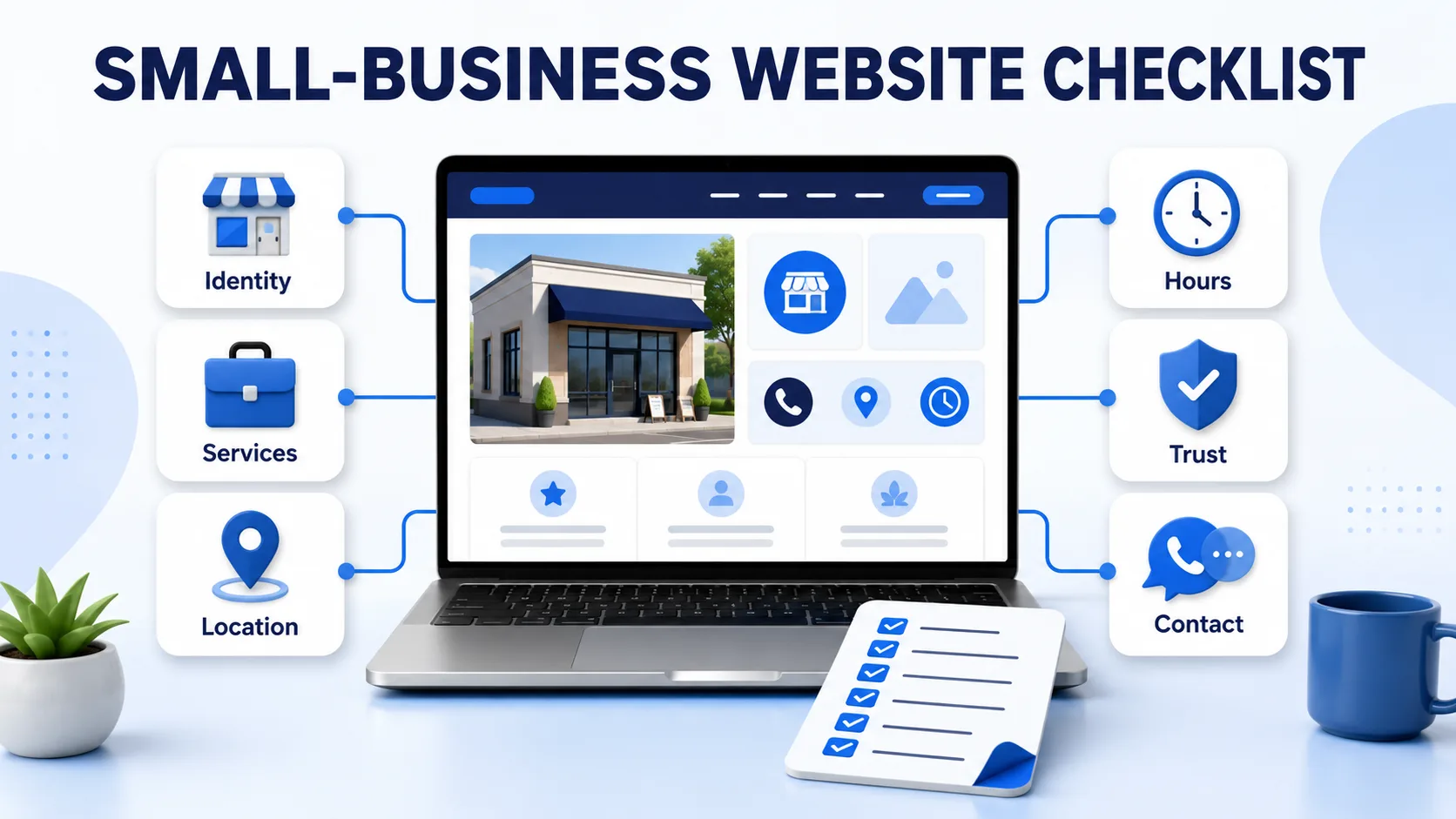
For an Openleet profile, the structure can include:
- business identity, category, and description;
- products and services;
- locations, service areas, and opening hours;
- projects, articles, images, and menu items;
- frequently asked questions;
- team members, credentials, and external reputation sources; and
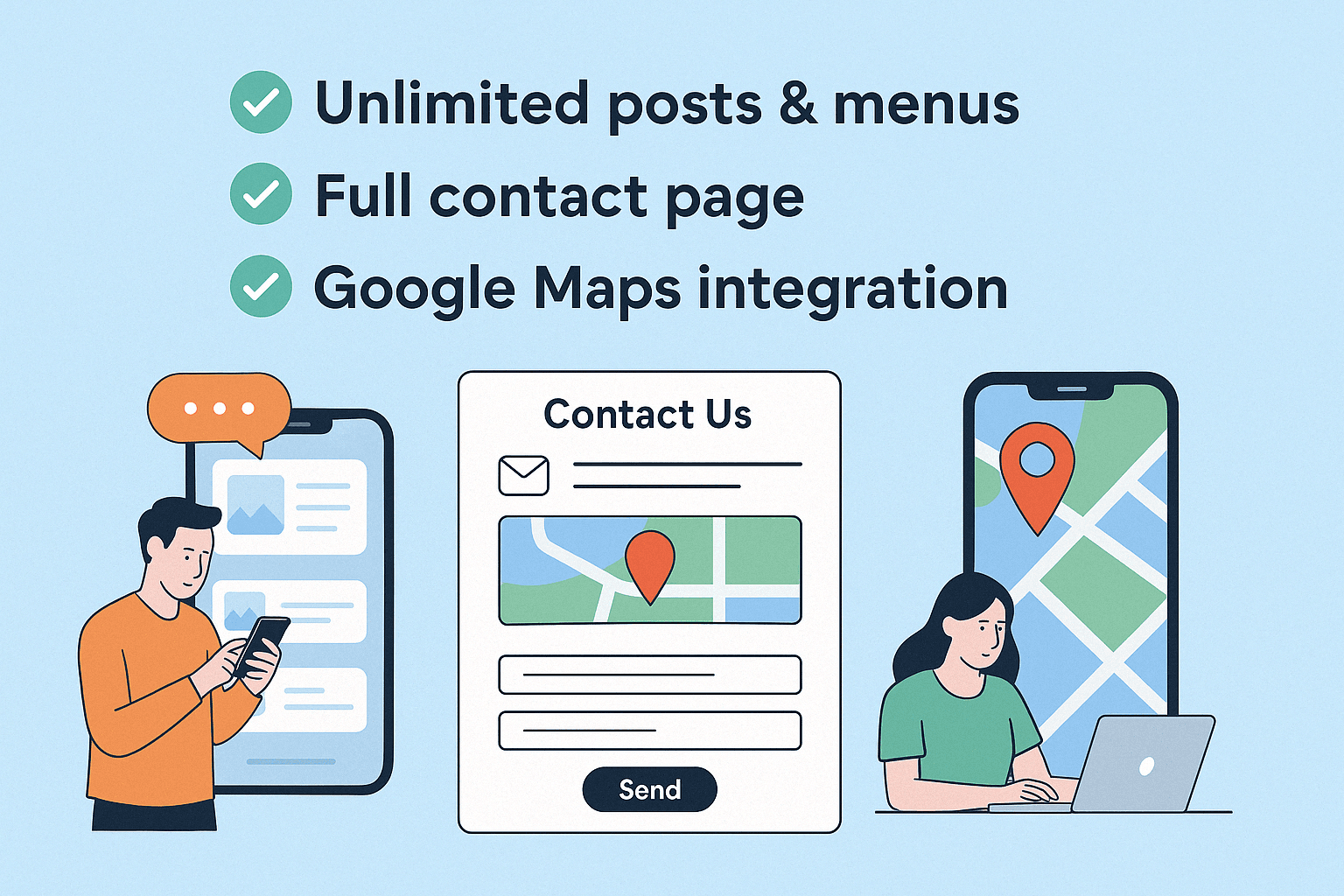
- clear customer contact options.
How this differs from ordinary web pages
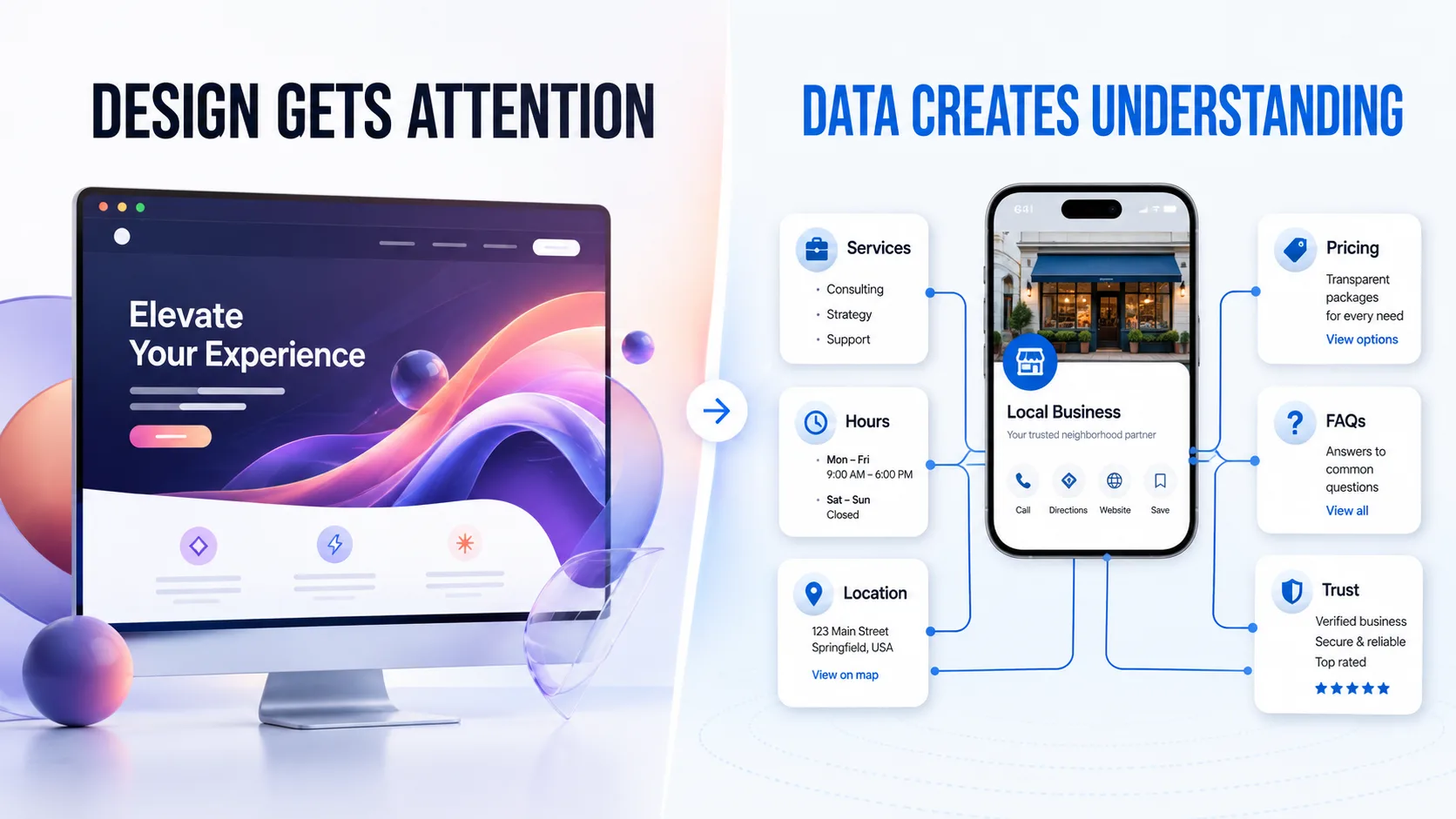
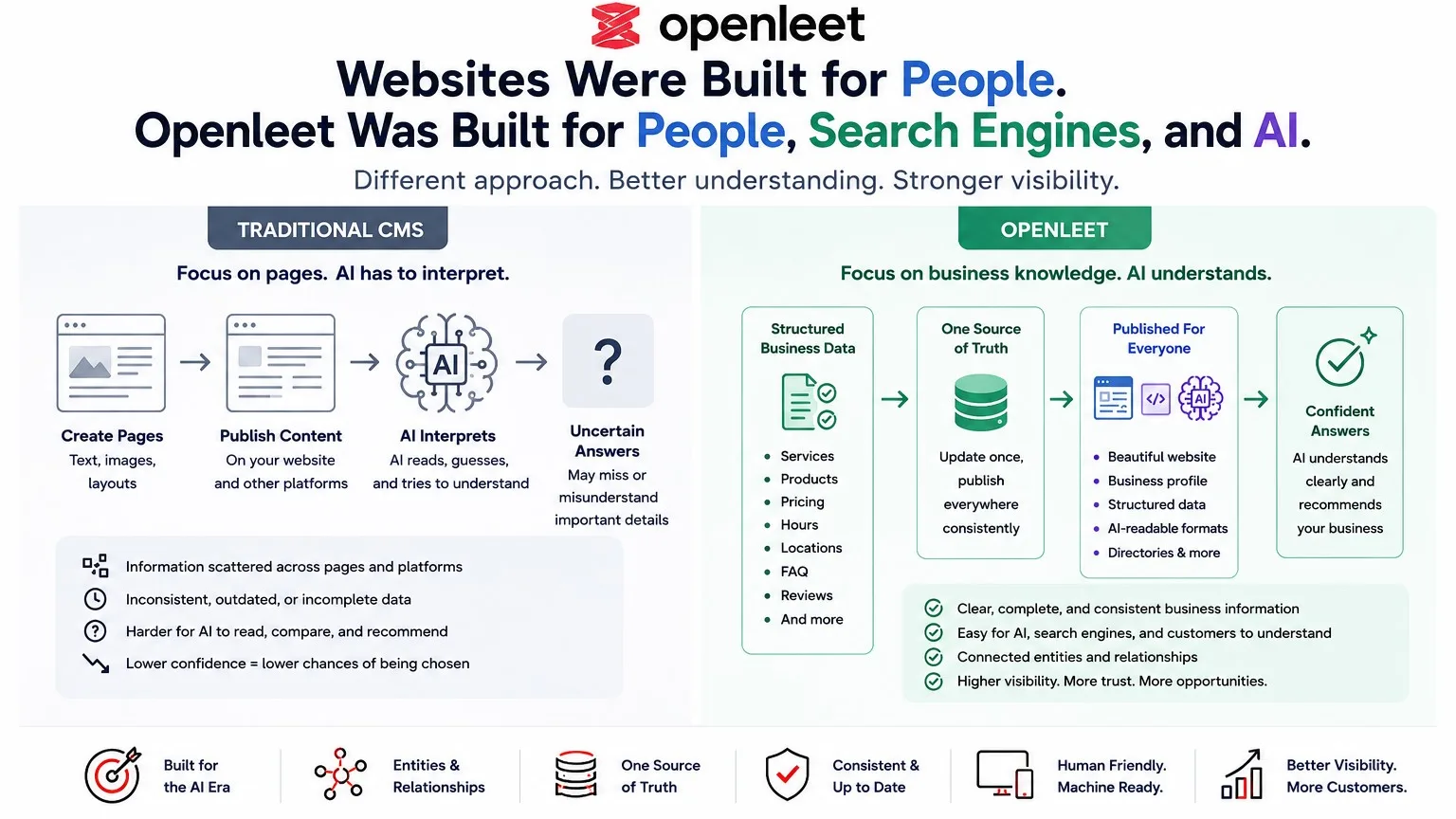
A traditional website often begins with visual decisions: a template, a homepage layout, colours, and a navigation menu. Business information is then fitted into those pages. That approach can produce a beautiful result, but important facts sometimes become scattered across the site or trapped inside images and promotional text.
A structured profile begins with the business itself. What does it do? Who does it serve? Where is it available? What should a customer know before making contact? The visual presentation is built from those answers.
This is why Openleet focuses on business information before design. Design still matters—it helps people feel comfortable and navigate confidently—but it should present the facts rather than hide them.
Why clarity matters to customers
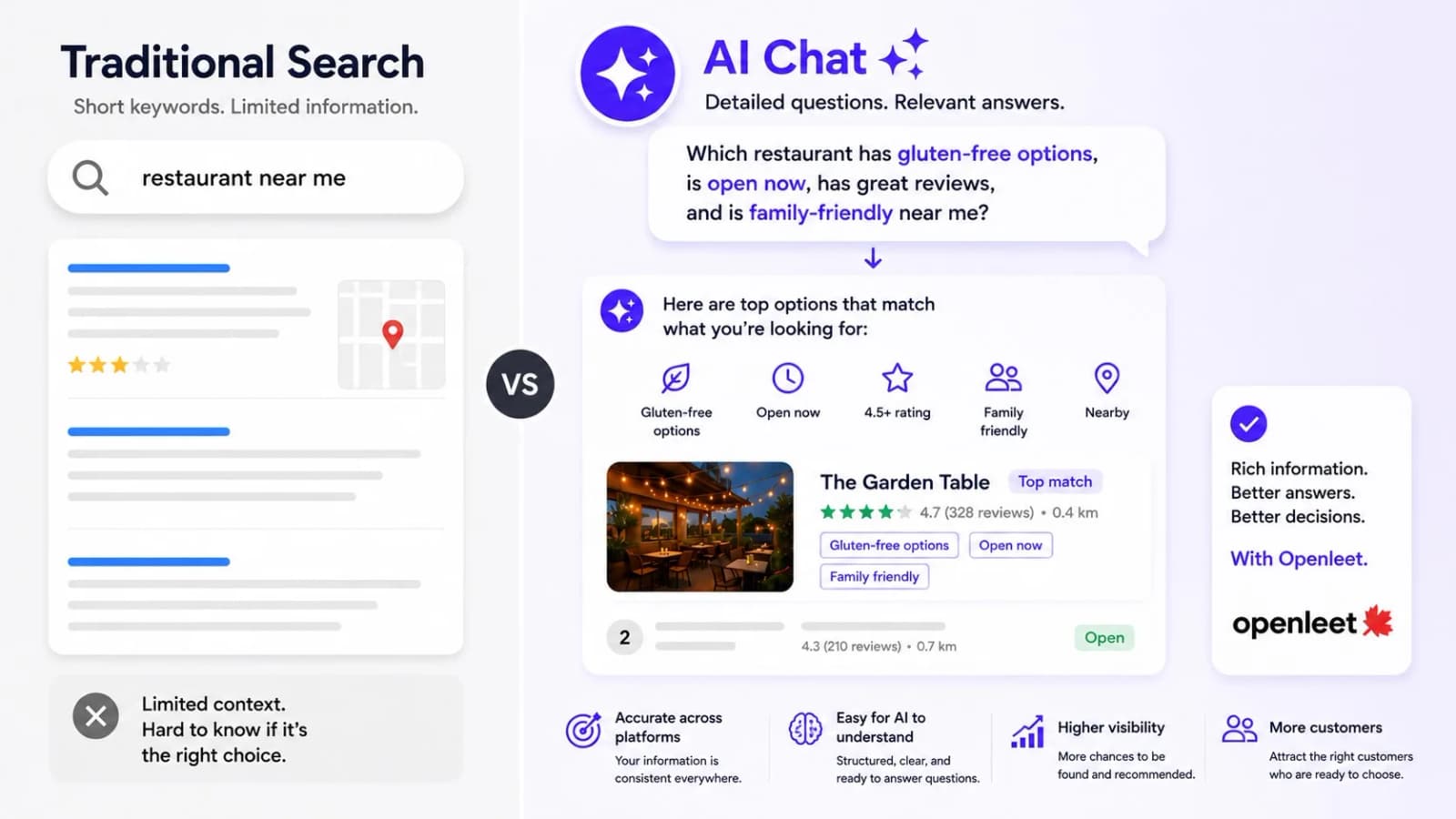
A potential customer usually arrives with a practical question. Do you provide the service I need? Are you available in my area? Are you open today? Can I see examples of your work? How do I book or ask a question?
If the answers are missing or inconsistent, the customer must call, search elsewhere, or make an assumption. A complete profile reduces that uncertainty. It lets people move from discovery to understanding and then to an appropriate contact action.
Why clarity also matters to software
Search engines, directories, accessibility tools, and AI systems all process information differently. Clear headings, descriptive text, internal links, structured fields, and machine-readable formats can help these systems identify what information represents.
That does not mean a profile can guarantee a particular search position or an AI recommendation. Those outcomes are controlled by external systems and depend on many signals. The realistic benefit is simpler: accurate, well-organized information gives those systems less ambiguity to work through.
A profile should be specific, not merely complete
Completing every field is not the objective. Publishing useful, accurate information is. “We provide quality solutions” says very little. “We provide residential appliance repair in Squamish, including diagnostic visits and scheduled repairs” gives a customer something concrete to evaluate.
The strongest profiles use plain language, identify real service areas, distinguish individual services, and explain the next step. They avoid unsupported claims and do not publish private or sensitive information.
How to build a useful structured profile
- Start with identity. Confirm the public business name, category, short description, and location or service area.
- Add the main offerings separately. Give each important product or service a descriptive title and enough detail to help someone decide whether it fits.
- Make contact practical. Publish only the channels the business actually monitors.
- Answer repeated questions. Turn real customer questions into concise FAQs.
- Add evidence. Projects, appropriate credentials, images, and links to genuine external coverage can help visitors understand the business.
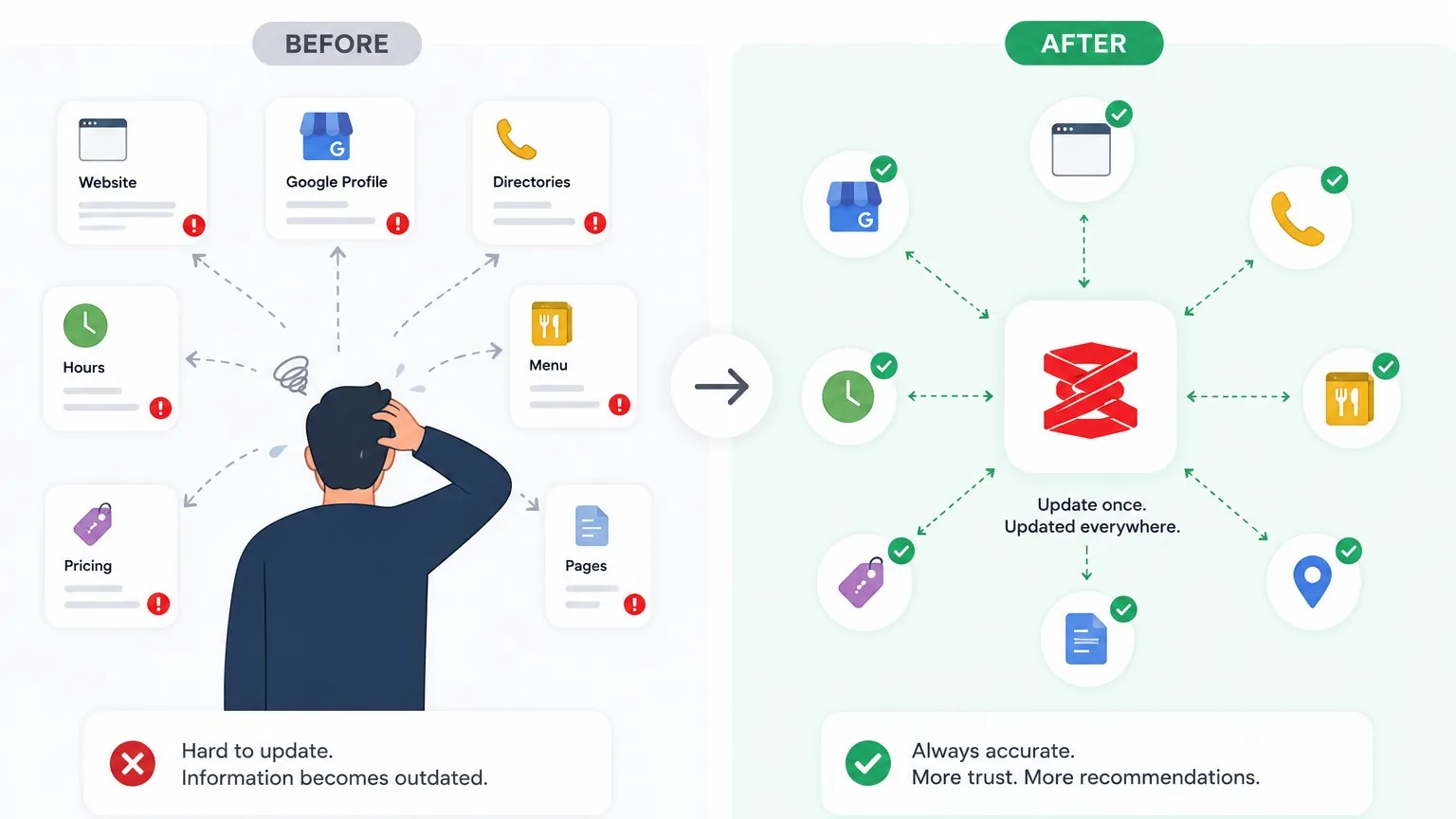
- Review regularly. Remove expired information and update hours, services, pricing descriptions, and availability when they change.
Where Openleet fits
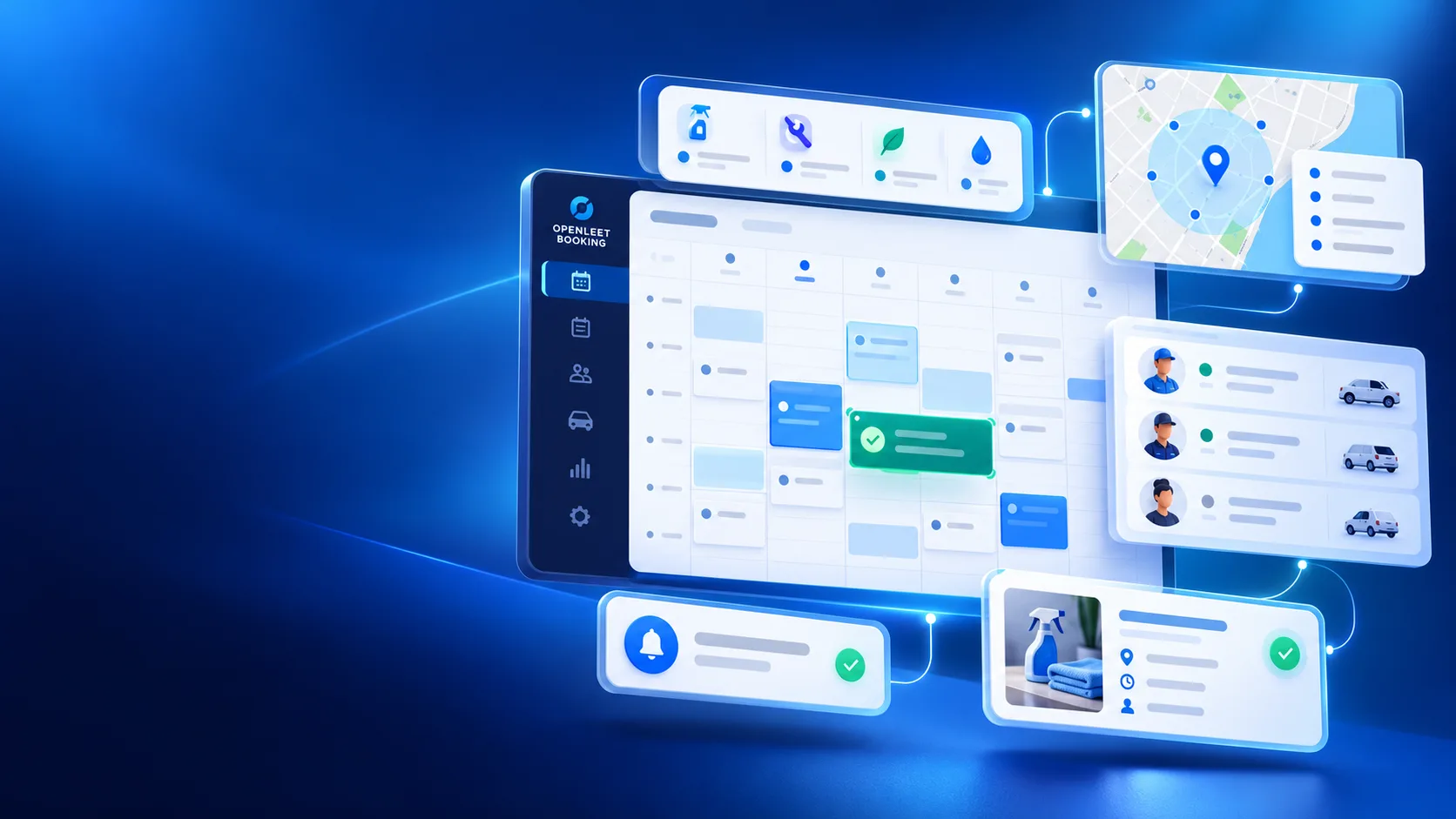
Openleet provides form-based sections for organizing business information and publishing it as a public business profile. Depending on the selected service, the same underlying information can also support an Openleet-powered website and machine-readable resources.
The goal is not to force every business into the same marketing language. It is to give each business a maintainable place to explain itself clearly. If you are ready to begin, follow the business profile setup guide or explore published profiles to see how different kinds of information can be presented.